





ISLAMABAD: Pakistan’s pharmaceutical industry has stepped forward with a massive donation of medicines and medical supplies worth Rs40 million, rushing aid to flood-hit communities in Khyber Pakhtunkhwa (KP) and Gilgit-Baltistan (GB), where waterborne diseases are spreading rapidly.
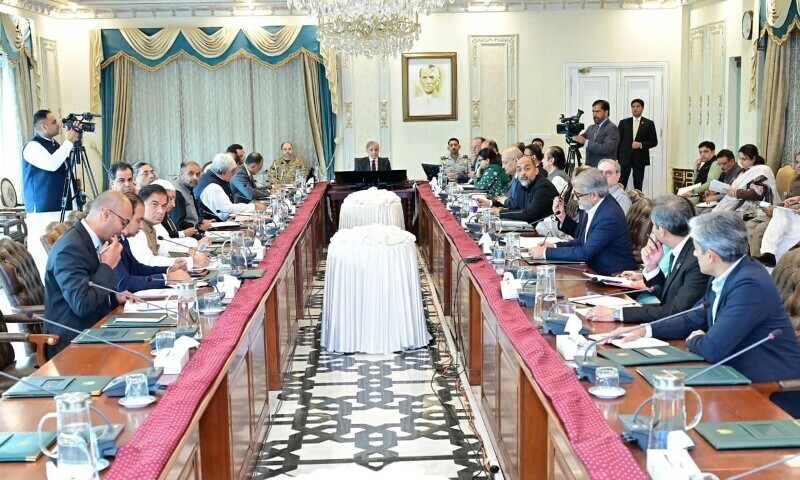
The move comes in response to an urgent appeal by Prime Minister Shehbaz Sharif and the Drug Regulatory Authority of Pakistan (DRAP), as health authorities reported alarming increases in diarrhoea, gastroenteritis, malaria, typhoid, respiratory infections, and skin ailments among displaced families living in makeshift camps.
According to the federal health ministry, the donated stock includes essential antibiotics, anti-malarials, anti-diarrhoeals, pain relievers, IV fluids, oral rehydration salts, antifungals, antiseptics, respiratory medicines, diagnostic kits, surgical equipment, and protective gear. Officials said the packages were prepared after a rapid assessment of disease patterns in the worst-hit districts, with the aim of containing potential epidemics in overcrowded shelters where sanitation has collapsed and drinking water remains unsafe.
Federal Health Minister Syed Mustafa Kamal praised the swift mobilization, saying: “The pharmaceutical industry has once again proven it stands with the nation in times of crisis. This timely intervention will save countless lives.”
Tauqeer-ul-Haq, Chairman of the Pakistan Pharmaceutical Manufacturers Association (PPMA), who personally oversaw the mobilization, emphasized that the effort goes beyond charity. “This is our national and moral duty,” he said. “We have prioritized medicines for children battling diarrhoeal diseases, pregnant women needing safe antibiotics, and malaria patients trapped in stagnant water zones.”
Distribution is being carried out through provincial health departments and mobile medical units to ensure the supplies reach remote areas and are not concentrated in just a few districts.
Despite the relief efforts, health experts have warned that unless medicine supply chains remain steady and preventive measures are reinforced, there is still a significant risk of cholera, measles, and pneumonia outbreaks across KP and GB.
The pharmaceutical sector, which produces more than 70 percent of Pakistan’s drug requirements, has once again cemented its reputation as a frontline responder during humanitarian crises.


