




ISLAMABAD:
In a major boost to Pakistan’s mineral and energy sector, the country has successfully secured $3.5 billion in financing for the long-awaited Reko Diq project, marking a significant breakthrough in one of the region’s most valuable mining ventures.
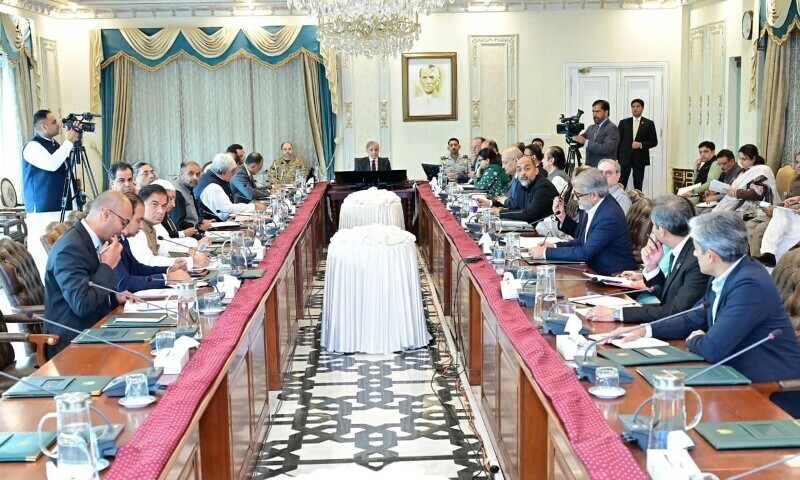
The financing package finalized through the Special Investment Facilitation Council (SIFC) has brought together six major international donor agencies, including the U.S. EXIM Bank and the Asian Development Bank (ADB). The agreement also involves 11 other global financial institutions and development partners, such as the International Finance Corporation (IFC), the International Development Association (IDA), and the European Bank for Reconstruction and Development (EBRD).
According to official sources, disbursement of the funds is expected to begin within 45 to 90 days, paving the way for construction work on key infrastructure to start within the next two to four months.
Out of the $4.2 billion total commitment, the largest shares belong to Barrick Gold, the Government of Balochistan, and Pakistan’s state-owned enterprises, including Oil and Gas Development Company Limited (OGDCL) and Pakistan Petroleum Limited (PPL).
The Reko Diq project, spanning an impressive 37 years, is projected to yield an estimated $90 billion in mineral output. As part of its development plan, a total of 53 facilities will be established across Balochistan 11 in the first phase, 15 in the second, and 27 in the third. The first phase, focusing on Chagai district, is expected to attract $16.6 billion in investment, followed by $7.7 billion in the second and $4.8 billion in the third.
Once fully operational, Reko Diq is expected to create around 75,000 jobs in Balochistan and generate up to $35 billion annually in foreign exchange earnings, significantly strengthening Pakistan’s economic stability.
The ambitious mining project, jointly developed by the government and international partners, is slated for completion between 2025 and 2028, with production expected to begin in 2028, marking a new chapter in Pakistan’s journey toward economic resilience and resource-driven growth.


