





ISLAMABAD —
Pakistan has once again extended its airspace ban on Indian aircraft for another month, keeping the restriction in place until November 23, 2025, according to a fresh notice to airmen (NOTAM) issued by the Pakistan Civil Aviation Authority (PCAA).
The ban applies to all Indian civilian and military aircraft, preventing any flights originating from or bound for India from passing through Pakistani airspace. The restriction, first imposed on April 23, 2025, has already been renewed several times as diplomatic and military tensions between the two nuclear-armed neighbors remain high.
The decision was initially taken in a reciprocal move, after New Delhi implemented similar restrictions following the April 22 attack on tourists in Pahalgam, located in Indian Illegally Occupied Jammu and Kashmir (IIOJK).
The closure has had a notable economic impact on Indian airlines, which are being forced to take longer alternative routes to destinations in the Middle East, Europe, and North America significantly increasing both fuel costs and flight durations.
Escalation Following the Pahalgam Attack
The latest wave of hostilities between Pakistan and India began on April 22, when an attack in Pahalgam killed 26 people, including several Indian tourists. India swiftly blamed Pakistan for orchestrating the assault, a charge Islamabad categorically rejected as “baseless and politically motivated.”
In retaliation, New Delhi carried out a series of aggressive diplomatic and strategic measures the following day, on April 23. These included:
- Suspending the Indus Waters Treaty (IWT), a 65-year-old landmark agreement on shared river resources;
- Cancelling visas for Pakistani nationals;
- Closing the Wagah-Attari border crossing;
- Shutting down Pakistan’s High Commission in New Delhi; and
- Reducing diplomatic staff at both embassies to a skeletal level.
Military Confrontation and Ceasefire
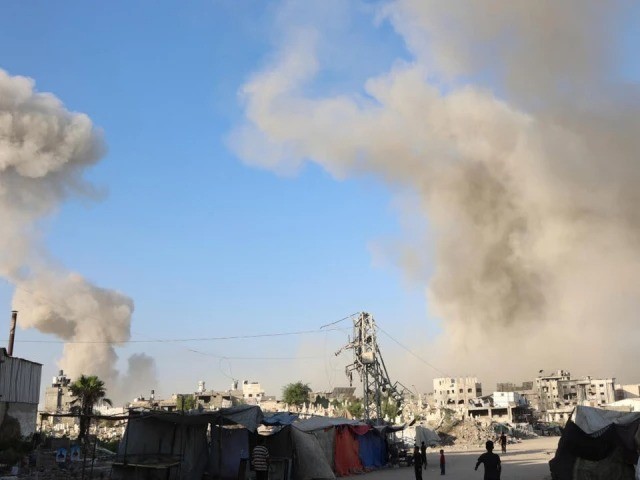
Tensions reached a boiling point in early May when missile strikes on May 7 hit six cities across Punjab and Azad Jammu and Kashmir (AJK), destroying a mosque and killing dozens of civilians, including women and children.
Pakistan responded decisively. Its air defense forces shot down multiple Indian aircraft, including three Rafale fighter jets, in what Islamabad described as a “measured defensive action.”
The confrontation escalated further on May 10, when India reportedly targeted several Pakistani airbases with missiles. Pakistan retaliated with Operation Bunyanum Marsoos, striking Indian military installations, missile depots, and airbases.
After days of high-stakes escalation, US President Donald Trump announced that a ceasefire agreement had been reached following overnight diplomatic efforts involving both sides. The truce was later confirmed separately by Pakistan’s Foreign Minister Ishaq Dar and India’s foreign secretary.
While hostilities have since subsided, the continued airspace closure underscores the fragile state of relations between the two countries. With both sides maintaining a hardened stance, the likelihood of normal air traffic resuming before November remains uncertain.


