



In a significant diplomatic achievement, Pakistan has been elected to the United Nations Human Rights Council (UNHRC) for the 2026–2028 term, reaffirming its standing as an active voice in global human rights discourse. The election took place on Tuesday, as reported by Dawn.com, with Pakistan securing a seat alongside 13 other nations.
The newly elected members include India, Iraq, Italy, Angola, Chile, Ecuador, Egypt, Estonia, Mauritius, Slovenia, South Africa, the United Kingdom, and Vietnam. Their three-year terms will begin on January 1, 2026.
Reacting to the news, Foreign Minister Ishaq Dar expressed gratitude to the UN member states that supported Pakistan’s candidacy.
“My profound gratitude to all UN member states for their support,” Dar wrote on X (formerly Twitter). “Pakistan’s election is a recognition of its strong credentials and its continued contribution toward strengthening the global human rights framework.”
He reaffirmed Pakistan’s commitment to work constructively with the international community, guided by the principles of tolerance, respect, universality, consensus-building, and engagement.
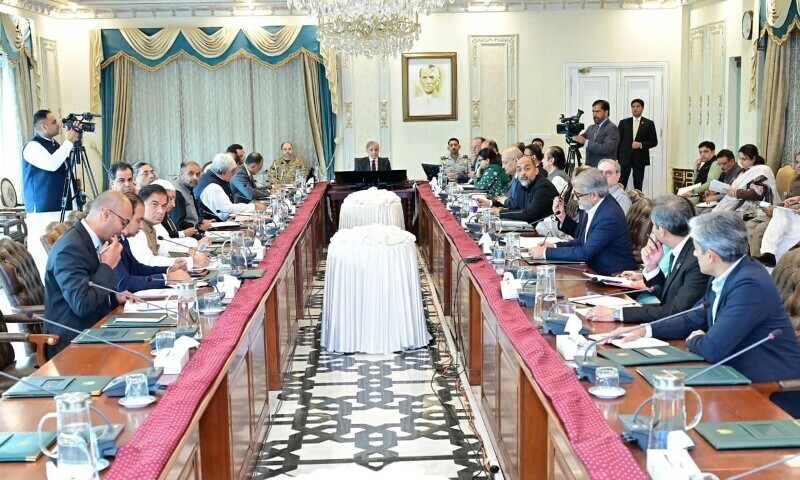
Prime Minister Shehbaz Sharif also welcomed the development, calling it a reflection of Pakistan’s effective diplomacy and credible international engagement.
“This election underscores Pakistan’s effective and active role at the United Nations,” the Prime Minister said. “We reaffirm our strong commitment to promoting and protecting human rights across the globe.”
The UN Human Rights Council, based in Geneva, is the UN’s principal body responsible for promoting and safeguarding human rights worldwide. It consists of 47 member states, each serving a three-year term. The seats are distributed across regional groups, and each region typically nominates its own candidates, which are then approved by the UN General Assembly through a secret ballot.
This year, 14 countries were up for election, and all were successfully elected, reflecting a broad consensus among member states.
For Pakistan, this victory marks yet another opportunity to project its diplomatic influence on international platforms and to reinforce its stated commitment to equality, justice, and human dignity within the global human rights framework.


