



Islamabad/Kunming – In a significant geopolitical development, Pakistan and China are exploring the formation of a new regional alliance that could eventually replace the long-dormant South Asian Association for Regional Cooperation (SAARC), diplomatic sources revealed.
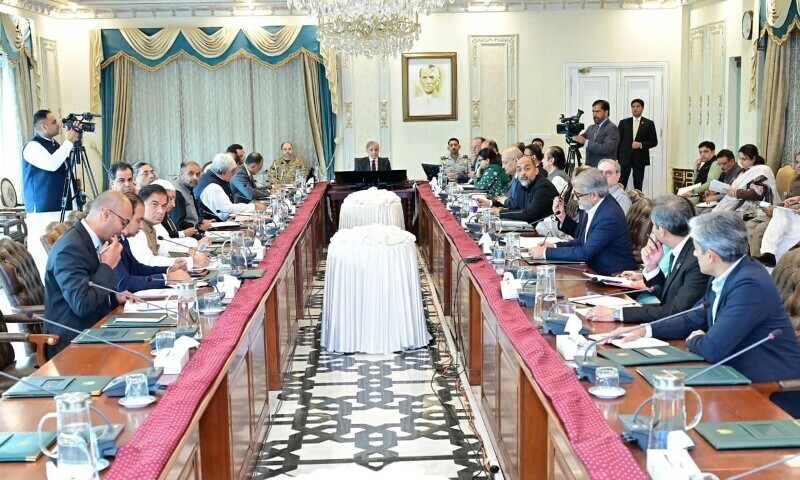
High-level discussions between Islamabad and Beijing have moved into advanced stages, with both sides agreeing that the region needs a fresh platform to promote integration, connectivity, and cooperation — something SAARC has failed to deliver.
The initiative gained momentum during a recent trilateral meeting held in Kunming on June 19, where senior diplomats from Pakistan, China, and Bangladesh sat down for talks. While the meeting itself flew under the radar, it quietly signaled the beginning of broader diplomatic efforts to build a new bloc — and didn’t go unnoticed in New Delhi.
According to sources familiar with the talks, the proposed organisation will be open to all SAARC member states, including India. However, given New Delhi’s historical reservations and divergent strategic priorities, its participation remains unlikely.
Other countries such as Sri Lanka, the Maldives, and even Afghanistan are seen as potential members of the new grouping, especially those seeking stronger regional economic ties and infrastructure linkages.
The driving force behind this initiative is clear: the need for enhanced trade, people-to-people exchanges, and connectivity across South Asia — objectives SAARC never achieved, largely due to the strained ties between India and Pakistan.
SAARC hasn’t held a summit in nearly a decade. The 2016 summit, which was supposed to take place in Islamabad, was scrapped after India pulled out, followed by Bangladesh and a few others. Since then, the regional body has existed largely on paper, with little political will for revival.
Tensions further deepened recently when India withdrew from the SAARC visa exemption scheme for Pakistani businessmen, a move that followed the Pahalgam attack. That decision, analysts say, was seen by many in Islamabad as yet another nail in SAARC’s coffin.
Against this backdrop, the Pakistan-China dialogue for a new regional mechanism has been quietly gaining traction. Diplomats involved in the process say the aim is not to isolate any country but to build a practical forum for cooperation among like-minded states.
As one observer put it, “India has increasingly appeared uncomfortable in regional groupings where China and Russia hold influence, like the SCO. Its absence from the last two SCO summits speaks volumes.”
If the new bloc materializes, it could mark the formal end of SAARC — once described as the “European Union of South Asia” — and the beginning of a fresh chapter in regional diplomacy led by Beijing and Islamabad.


