



In the shadow of escalating conflict in the Middle East, three major global powers — Pakistan, China, and Russia — have come together with a firm, united voice: it’s time to stop the war.
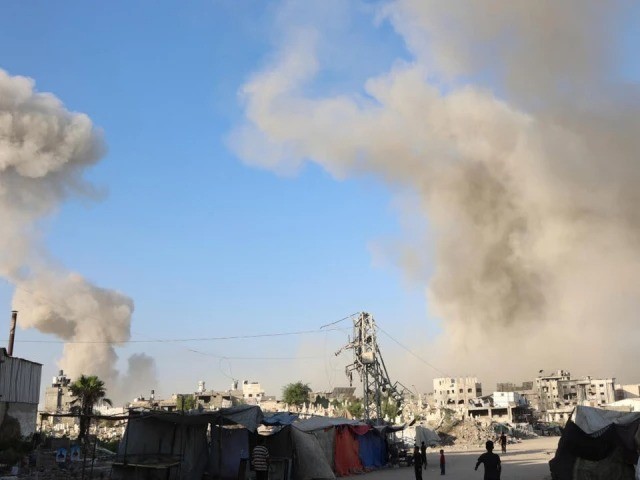
The call came after a dramatic turn in the ongoing crisis — a U.S. military strike on Iranian nuclear sites, a move Washington claims was a preemptive step to curb Iran’s suspected nuclear ambitions. Carried out in coordination with Israeli forces, this attack is being described as the most serious Western intervention against Iran since the 1979 revolution.
Now, as the world holds its breath for Iran’s next move, the three countries are pushing the United Nations Security Council (UNSC) to urgently pass a resolution demanding an immediate and unconditional ceasefire.
“This Is a Dangerous Turn”
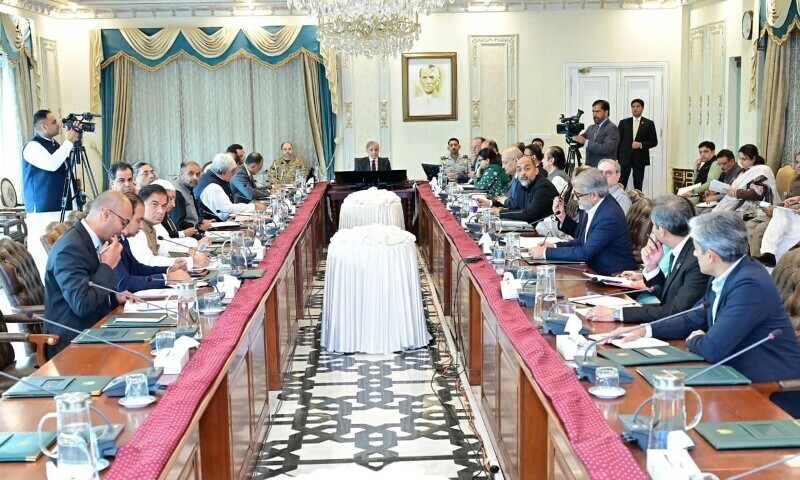
Speaking at the UNSC meeting, UN Secretary-General António Guterres did not mince words: “The bombing of Iranian nuclear facilities marks a perilous turn.” His message was clear — this is no longer just a political dispute, it’s a moment where lives, stability, and diplomacy are all at risk.
Pakistan’s Permanent Representative to the UN, Ambassador Asim Iftikhar, echoed that urgency. “History shows us that military action doesn’t bring peace — it only deepens conflict and division,” he said during the session. “We must act now before this spirals even further out of control.”
Pakistan: Standing with Iran, Urging Peace
Pakistan has taken a clear stance — condemning the U.S. bombings and backing Iran’s right to self-defense. The Foreign Office had already issued a statement on this, and Ambassador Iftikhar doubled down, calling the attacks a “dangerous precedent” and a serious threat to the safety and security of civilians across the region.
Pakistan, along with China and Russia, has now tabled a draft resolution at the UN, calling for:
- An immediate ceasefire
- Protection of civilians and infrastructure
- A return to diplomacy on Iran’s nuclear program, in a way that respects all parties
“It’s time to stop trading bombs and start trading words again,” Iftikhar urged. “Dialogue is the only viable way forward.”
China and Russia: Echoing the Alarm
China’s UN Ambassador, Fu Cong, was blunt: “Peace in the Middle East cannot be achieved through force.” He added that diplomatic channels for resolving the nuclear issue were still open, but the strikes risked slamming them shut.
Russia’s Ambassador, Vassily Nebenzia, compared the U.S. claims about Iran to the 2003 Iraq invasion, when the world was misled with false claims about weapons of mass destruction. “Are we really going to fall for this again?” he asked the council. “It seems Washington has learned nothing from history.”
Iran: “We Were Negotiating — They Responded with Missiles”
Iran’s voice at the UN, Ambassador Amir Saeid Iravani, came in strong. He accused the U.S. and Israel of deliberately destroying diplomacy. “The nuclear non-proliferation treaty has been turned into a political weapon,” he said.
Meanwhile, Iranian Foreign Minister Abbas Araghchi, speaking at the OIC summit in Istanbul, expressed frustration. “We were negotiating in good faith. It wasn’t Iran that walked away. It was the U.S. that abandoned diplomacy — not with words, but with missiles.”
Israel: Praises U.S. Strike, Warns of Consequences
On the other side, Israel’s UN Ambassador Danny Danon praised the U.S. strike as a “last line of defense.” He accused Iran of using talks as cover while secretly expanding its nuclear program. “A nuclear Iran would be a death sentence — not just for us, but for everyone,” he told the council.
A Region on the Edge
Now, the Strait of Hormuz — a critical global oil chokepoint — is at risk of being blocked, following a vote in the Iranian parliament. The fear is real: the conflict could explode into something much larger.
The three countries behind the ceasefire resolution are urging all members of the UNSC to support it. Whether the resolution passes, however, remains uncertain — especially since it indirectly condemns the U.S. and Israel, even though they’re not named.
But as missiles fall, diplomacy stalls, and millions live in fear of what comes next, one thing is clear: the time to act is now.


