





Rawalpindi – July 11, 2025
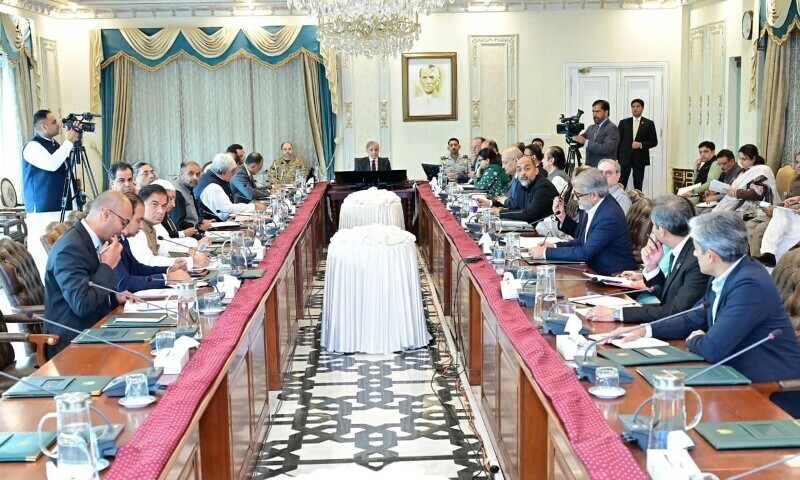
In a resolute show of unity and strategic clarity, Pakistan’s military leadership has vowed to take firm and coordinated action against terrorist elements allegedly backed by Indian intelligence. The resolve came during the 271st Corps Commanders’ Conference (CCC), held at the General Headquarters (GHQ) in Rawalpindi, and chaired by Field Marshal Syed Asim Munir, Chief of Army Staff.
The meeting began with prayers for the martyrs of recent terrorist attacks, which military sources have directly attributed to India-supported proxies operating in various regions of Pakistan.
“Shuhada’s Sacrifices Will Not Be in Vain”
The high-level forum, as confirmed by the Inter Services Public Relations (ISPR), conducted an in-depth review of ongoing counter-terrorism operations. Military commanders reiterated a powerful message: the blood of Pakistan’s martyrs will not go unavenged. The safety of the nation’s citizens remains the army’s top priority, and the current security strategy is focused on dismantling India-sponsored subversive networks.
Participants warned of a noticeable uptick in enemy-backed activities following what they described as India’s “embarrassing failure” in the Pahalgam incident. Groups such as Fitna Al Khawarij and Fitna Al Hindustan were specifically named as vehicles for regional destabilization.
“These are not isolated groups — they are tools in a wider campaign to sow discord within our borders,” a senior security official told this publication under condition of anonymity.
Diplomatic Frontlines: From Riyadh to Washington
Beyond the battlefield, Pakistan’s top brass is also navigating the diplomatic terrain with deliberate engagement. The forum reviewed recent strategic visits made by COAS Asim Munir alongside Prime Ministerial delegations to countries including Iran, Türkiye, Saudi Arabia, Azerbaijan, and the UAE. These visits, according to sources, are aimed at strengthening bilateral ties and ensuring regional alignment on security concerns.
One of the key highlights discussed at the forum was Field Marshal Munir’s visit to the United States, where he met with senior U.S. leadership to present Pakistan’s perspective on regional conflicts, counter-terrorism cooperation, and shifting global alliances.
Security Challenges at Home and Abroad
The Corps Commanders also reviewed the evolving security landscape — both domestically and across neighboring regions. Special attention was given to Middle Eastern tensions, developments in Iran, and the growing global reliance on military coercion to resolve political disputes.
The military leadership emphasized the need for self-reliant defense capabilities, particularly in light of increasing unpredictability in global alliances. National cohesion, the forum stressed, is the key ingredient in resisting both conventional and hybrid threats.
Responding to Indian Rhetoric
In a sharply worded response to recent remarks by Indian military officials, the Army Chief dismissed them as “baseless” and “politically motivated.” He accused New Delhi of attempting to internationalize bilateral issues through “bloc politics,” a strategy aimed at projecting itself as a regional security guarantor — a claim Pakistan firmly contests.
Modernization and Joint Preparedness
The CCC also took stock of the Pakistan Army’s ongoing modernization efforts, especially in light of evolving warfare paradigms, including cyber, information, and fifth-generation threats.
The COAS commended both the Pakistan Navy and Pakistan Air Force for their increasing operational synergy and cross-force coordination, which he described as “crucial” for a comprehensive national defense posture.
A Message of Readiness
In his concluding remarks, Field Marshal Asim Munir offered a calm but powerful reassurance: Pakistan’s armed forces are fully capable of confronting any challenge — from hybrid warfare to direct aggression.
“We are not only prepared — we are evolving,” he is quoted as saying, “And our adversaries must take note: Pakistan will not allow its peace to be shattered by foreign-sponsored chaos.”
Analysis
The CCC’s tone was unmistakably assertive — not just in terms of internal resolve but also in how Pakistan intends to frame its position in a rapidly polarizing region. As tensions with India simmer and global power structures shift, the coming months could prove decisive for the country’s national security doctrine.


