



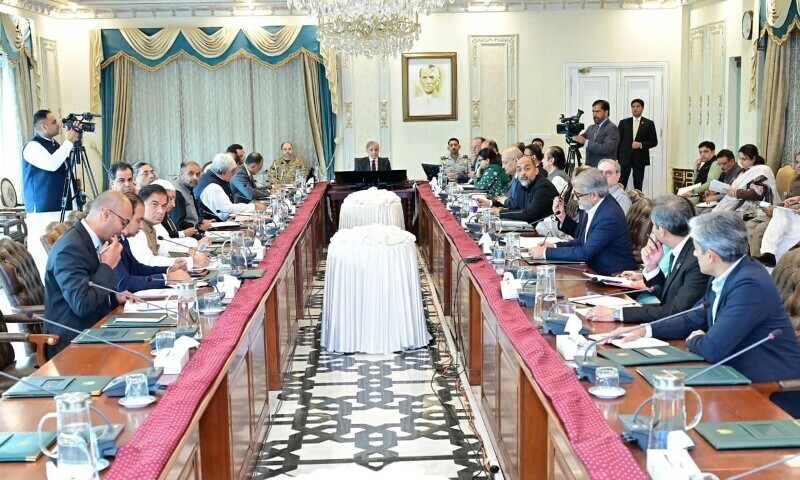

Islamabad: Amid heated debate and strong opposition resistance, the National Assembly on Thursday passed the federal budget for the fiscal year 2025-26, amounting to a record Rs17.6 trillion. The Finance Bill, backed by the ruling coalition with support from the PPP, includes Rs463 billion in new taxes — targeting the digital economy, cash transactions, and several everyday essentials.
The government comfortably sailed through the session, securing 201 votes in favor against just 57 from the opposition. All proposed amendments by opposition members were rejected.
Major Highlights:
- Interest payments alone will consume Rs8.2 trillion, making it the single largest allocation.
- Defence spending is set at Rs2.55 trillion, excluding pensions and development programs for the armed forces.
- Subsidies (Rs1.1 trillion), pensions (Rs1 trillion), and civil government expenses (Rs917 billion) make up the rest of the significant allocations.
- Development spending has been capped at around Rs1 trillion.
Tax Measures & Digital Economy
A key focus of the new taxation drive is the digital economy. E-commerce platforms, streaming services, and cash-on-delivery transactions will now be taxed, along with foreign vendors and digital marketplaces being brought under Pakistani tax laws for the first time.
Among the other new levies:
- Climate support levy: Rs2.5 per litre on petrol and diesel
- Excise duty: Rs10 on every one-day-old chick
- New tax on conventional cars: 1% to 3%, meant to support electric vehicle adoption
- 5% tax on pensions exceeding Rs10 million annually
- 10% sales tax on imported solar panels
Additionally, income tax rates on mutual funds and government debt earnings for companies have been raised to 29% and 20%, respectively.
Cash Restrictions & Enforcement Measures
To discourage cash use and encourage documentation, the budget disallows expense claims on transactions above Rs200,000 made in cash. Similarly, input tax adjustments have been restricted for cash payments beyond certain thresholds.
A controversial measure — banning financial transactions by ineligible persons — was partially softened on the Prime Minister’s instructions. Instead of a blanket ban, thresholds were introduced:
- Ban on residential property applies only if the value exceeds Rs50 million
- Commercial property threshold set at Rs100 million
- Cars worth up to Rs7 million can still be bought by ineligible persons
- Cash withdrawal over Rs100 million annually will trigger ineligibility
- Stock market investment threshold set at Rs50 million
The FBR has also retained arrest powers in tax fraud cases, though new safeguards have been added after negotiations between the PML-N and PPP. The law now prevents arrests during the inquiry stage and allows bail if an arrest is made. These were key PPP demands before extending their support.
PPP’s Role & Political Bargaining
PPP Chairman Bilawal Bhutto Zardari announced his party’s full support for the budget, claiming that the government accepted several PPP proposals — including tax relief for salaried individuals earning up to Rs100,000 per month and a 20% increase in the Benazir Income Support Programme (BISP) budget, which now stands at Rs716 billion.
However, discrepancies remain. While Bilawal claimed exemption for income up to Rs1.2 million annually, the final bill includes a 1% tax on that bracket, reduced from 5%.
Looking Ahead
Finance Minister Muhammad Aurangzeb’s second budget is now set to become law after President Asif Ali Zardari’s approval. While hailed by government allies as “the best possible in tough conditions,” critics warn that rising indirect taxes and restrictions could burden ordinary citizens and small businesses.
Still, the budget lays down a framework for future tax compliance, digital economy integration, and fiscal tightening — all under the watchful eye of domestic stakeholders and international lenders alike.


