





Washington, September 26, 2025 — Microsoft has suspended certain cloud services used by an Israeli military unit after an internal review backed claims that its technology was being deployed to monitor Palestinians in the occupied territories.
The move follows an investigation by The Guardian, +972 Magazine, and Local Call, which revealed that Israel’s military had been using Microsoft’s Azure cloud platform to store and process recordings of phone calls made by Palestinians in the West Bank and Gaza.
Microsoft President Brad Smith confirmed the decision in a blog post, saying preliminary findings aligned with the reporting. “We do not provide technology to facilitate mass surveillance of civilians,” Smith wrote, adding that the company had “ceased and disabled” some of the Defense Ministry’s cloud and AI service subscriptions.
While the suspensions cover storage and artificial intelligence tools, Microsoft emphasized that it would continue to provide cybersecurity services to Israel and other regional partners.
The Israeli Ministry of Defense declined to comment when asked about the announcement. Earlier, in response to the media probe, the Israeli military maintained that its work with Microsoft was governed by “legally supervised agreements,” denying that the company had ever directly handled surveillance data.
Pressure From Rights Groups
The decision drew swift reactions from advocacy organizations. The Council on American-Islamic Relations (CAIR) and a worker-led campaign group called No Azure for Apartheid hailed the step as a breakthrough. “This is a welcome point of vindication for those brave tech workers who stood up and protested,” said Imraan Siddiqi, executive director of CAIR’s Washington state chapter.
Both groups, however, pressed Microsoft to go further and cut all ties with the Israeli government amid growing anger over Israel’s military campaign in Gaza, which has displaced the enclave’s entire population and killed tens of thousands.
Mounting Backlash
Microsoft is one of several tech giants facing internal dissent and external pressure over ties to Israel as global outrage intensifies over the humanitarian crisis in Gaza. Images of starving families and children have fueled protests, some of which spilled onto Microsoft campuses.
In recent months, employees who participated in sit-ins including two at Brad Smith’s office were dismissed, with the company citing policy breaches and safety concerns.
The Guardian-led investigation added new weight to the campaign, finding evidence that Israel’s surveillance of Palestinians was backed by Microsoft’s European data centers and AI services.
Broader Context
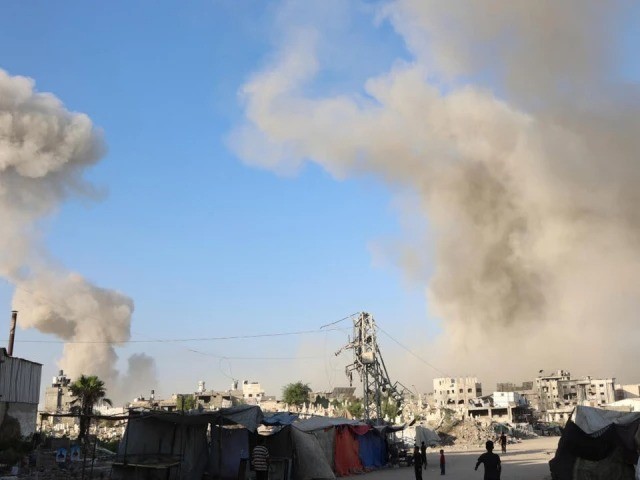
The revelations come against the backdrop of Israel’s two-year-long assault on Gaza, which human rights experts, scholars, and a United Nations inquiry have described as genocide. The war has left tens of thousands dead and forced nearly all of Gaza’s residents from their homes.
For Microsoft, the suspension signals a rare but significant move by a global tech powerhouse to distance itself from Israel’s military operations though critics argue the company must go further if it wants to prove its commitment to human rights.


