




LONDON – French President Emmanuel Macron kicked off a landmark three-day state visit to the United Kingdom on Tuesday, calling for closer cooperation between London and Paris on global issues, including Gaza, Ukraine, climate change, and trade. The visit, the first by an EU head of state since Brexit, marks a significant diplomatic reset between the two countries.
In a rare and symbolic address to both Houses of the British Parliament, Macron struck a tone of unity, urging the UK to join France in recognizing the State of Palestine and to maintain strong support for Ukraine’s defense against Russian aggression.
“The United Kingdom and France must once again show the world that our alliance can make all the difference,” Macron said in English, drawing applause from lawmakers. “We must move forward together, shoulder to shoulder.”
A Royal Welcome and a Renewed Alliance
Macron arrived in London at the invitation of King Charles III and was warmly welcomed with full royal honors. Accompanied by Prince William and Princess Catherine, he travelled in a horse-drawn carriage to Windsor Castle before heading to Westminster.
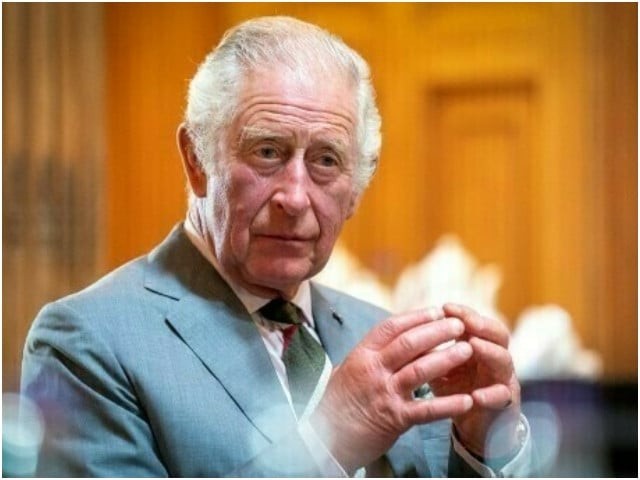
At a state banquet held later that evening in the castle’s grand halls, King Charles spoke of a new chapter in Franco-British ties. Echoing the historic “Entente Cordiale” of 1904, the monarch declared the dawn of an “Entente Amicale” — a friendship for the future.
“As we dine here in this ancient place, redolent with our shared history, allow me to propose a toast to France and to our new entente — not only cordial, but truly friendly,” Charles said, in front of an audience that included diplomats, politicians, and icons like Elton John and Mick Jagger.
Gaza, Ukraine, and the Path to Peace
During his address in Parliament, Macron made a pointed appeal to the UK to support Palestinian statehood, calling it the only viable path to lasting peace in the Middle East.
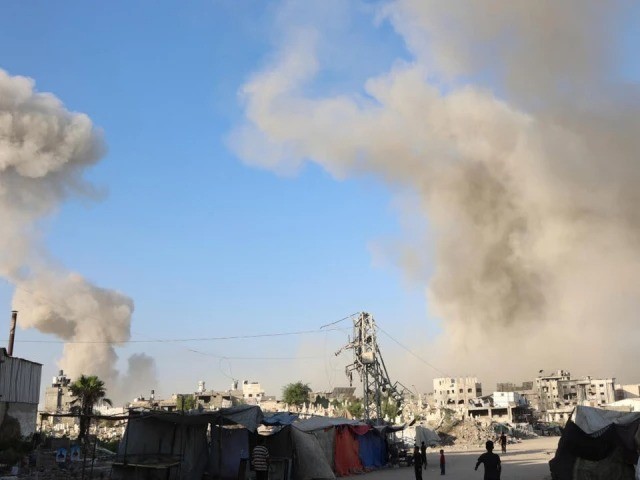
“With Gaza in ruins and daily attacks in the West Bank, the idea of a two-state solution has never been more fragile,” Macron said. “Recognizing Palestine is not just a symbolic gesture — it’s a strategic necessity.”
At the same time, Macron reiterated Europe’s unwavering support for Ukraine, promising that “European countries will never abandon Kyiv.” The UK and France are also advancing plans for a joint military force to support Ukraine in the event of a ceasefire with Russia.
Macron warned against over-reliance on both China and the United States, calling on European allies to “de-risk our economies” and pursue a more balanced global posture. He emphasized greater collaboration on artificial intelligence, digital security, and the protection of children online.
Closer Cultural and Economic Ties
Beyond geopolitics, Macron advocated for easier mobility between the two countries, proposing initiatives to allow students, researchers, and artists to live and work more freely across borders. A major cultural exchange was also announced: the UK will loan Anglo-Saxon and Viking artifacts to France, while the iconic Bayeux Tapestry — for the first time in 900 years — will be displayed in Britain.
Economically, French energy giant EDF confirmed a £1.1 billion investment in a nuclear power project in eastern England, a move hailed by both governments as a symbol of mutual confidence.
Tough Talks Ahead
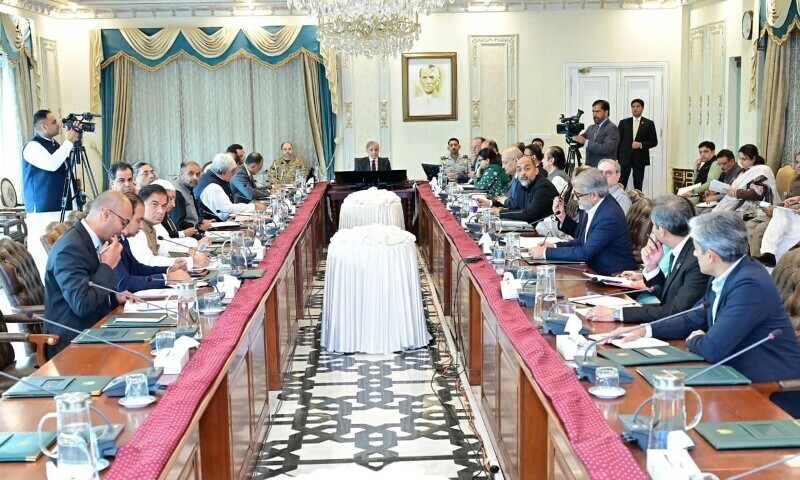
The visit’s second day will focus on difficult political discussions between Macron and UK Prime Minister Keir Starmer. Top of the agenda: how to handle the record number of asylum seekers arriving in the UK via the English Channel.
Starmer is proposing a returns agreement with France under which asylum seekers without legal status could be sent back across the Channel, while the UK would accept an equal number of legitimate cases. So far, France has resisted the idea, insisting any such deal must be negotiated at the EU level.
Still, there are signs of growing cooperation. On Thursday, Macron and Starmer will join a joint call with Ukrainian President Volodymyr Zelenskyy, German Chancellor Friedrich Merz, and Italian Prime Minister Giorgia Meloni to strengthen military and diplomatic support for Ukraine.
As Macron’s visit continues, both sides appear determined to repair the strain that Brexit placed on their historic alliance. And with Europe facing multiple crises — from war to migration to economic uncertainty — the symbolism of two old allies standing together again is resonating far beyond the walls of Westminster.


