



Pakistan’s Deputy Prime Minister and Foreign Minister, Senator Mohammad Ishaq Dar, has arrived in New York for a week-long official visit during which he will steer Pakistan’s diplomatic agenda as President of the United Nations Security Council.
Dar landed at John F. Kennedy International Airport on Sunday, where he was received by Pakistan’s Permanent Representative to the UN as well as the country’s Ambassador to the United States. His visit, spanning from July 21 to 28, underscores Islamabad’s active diplomatic role under its current Security Council presidency.
During his stay, Dar will lead several high-level signature events at UN headquarters. He is also set to engage in a series of bilateral and multilateral meetings in New York and Washington, DC, aimed at furthering Pakistan’s foreign policy objectives and strengthening diplomatic ties.
A key highlight of his visit will be representing Pakistan at the International Conference on the Two-State Solution, an important summit co-hosted by Saudi Arabia and France. The conference seeks to revive global momentum in support of Palestinian statehood amid mounting regional tensions.
In his capacity as Security Council President, Dar will chair an open debate on “Promoting International Peace and Security through Multilateralism and Peaceful Settlement of Disputes”, highlighting Pakistan’s emphasis on dialogue and diplomacy to resolve conflicts worldwide.
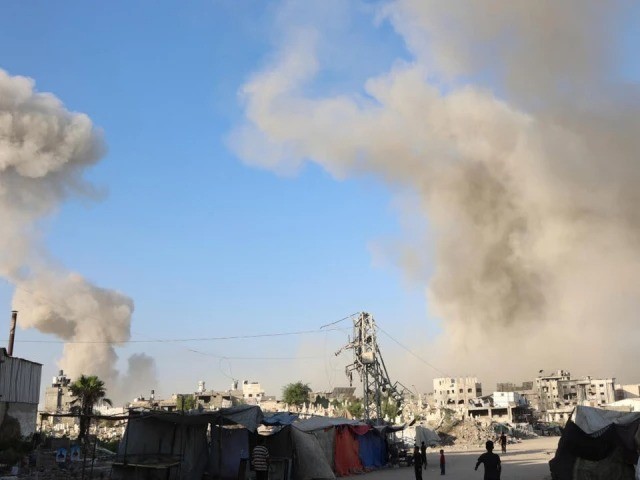
He is also scheduled to preside over the Council’s quarterly open debate on the “Situation in the Middle East including the Palestinian Question,” reiterating Pakistan’s long-standing backing for a just and peaceful resolution to the Palestinian issue.
Additionally, Dar will lead a special UNSC briefing focused on enhancing cooperation between the United Nations and the Organisation of Islamic Cooperation (OIC). The session aims to build greater synergy between multilateral institutions to promote global peace and security.
His packed agenda reflects Islamabad’s determination to play a proactive diplomatic role during its presidency, while advocating multilateralism as the path to resolving international disputes.


