



TEHRAN/ISLAMABAD — A senior adviser to Iran’s Supreme Leader Ayatollah Ali Khamenei has proposed that Tehran should become part of the newly signed Pakistan–Saudi Arabia defence agreement, calling it a turning point for regional security and a chance to build a wider Islamic alliance.
Major General Yahya Rahim Safavi, a former commander of Iran’s Revolutionary Guard Corps (IRGC) and close aide to the supreme leader, welcomed the Islamabad–Riyadh pact as a “positive development.” He suggested that Iran, Pakistan, Saudi Arabia, and Iraq could collectively establish a regional defence framework at a time when, he argued, U.S. influence in the Middle East is on the decline.
“Iran, Saudi Arabia, Pakistan and Iraq can reach a collective defence pact,” Safavi was quoted as saying by Iran International. He added that Washington’s strategic focus had already shifted toward the Asia-Pacific region, opening the door for regional powers to chart their own course.
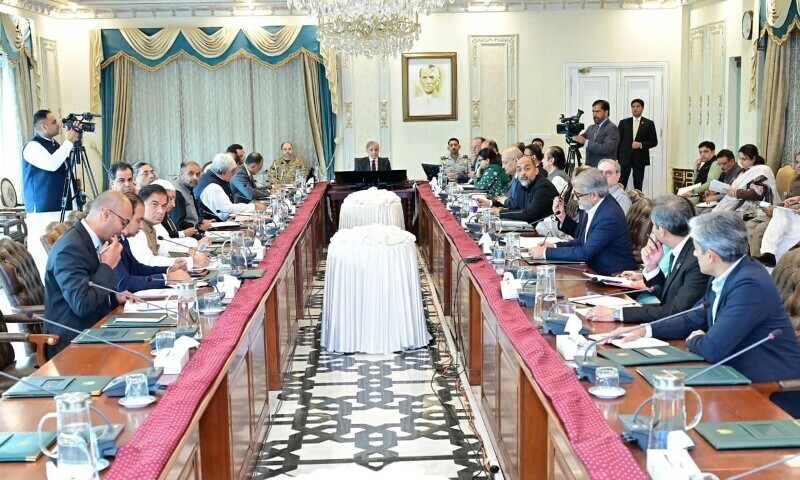
The remarks came after Prime Minister Shehbaz Sharif and Saudi Crown Prince Mohammed bin Salman signed the Strategic Mutual Defence Agreement (SMDA) in Riyadh last week. The accord commits both nations to treat any attack on one as an act of aggression against the other a provision analysts have described as “historic and unprecedented” in the context of Pakistan–Saudi ties.
The pact has also triggered speculation in international media that Pakistan’s nuclear assets could be tied into the arrangement. However, Defence Minister Khawaja Asif dismissed such claims in an interview with journalist Mehdi Hasan, stressing that “Pakistan is not selling nuclear weapons to Saudi Arabia.”
Experts say the SMDA cements Pakistan’s role as the most militarily capable Muslim-majority country, positioning it as a key guarantor of security in the Islamic world. By elevating Riyadh–Islamabad ties from partnership to binding defence commitment, the deal is seen as carrying strategic weight not just for South Asia but for the wider Middle East.
General Safavi’s call for Iran’s inclusion underscores Tehran’s interest in reshaping the region’s balance of power through collective security arrangements. “In this situation, we can establish a regional Islamic alliance,” he said, framing the moment as an opportunity for Muslim nations to unite under their own security umbrella.


