



Tehran — July 2025
Iranian President Masoud Peshmerga has indicated his country’s readiness to resume nuclear negotiations with the United States—provided that a foundation of mutual trust can be reestablished between the two long-standing adversaries.
Speaking in a rare interview with American journalist Tucker Carlson, Peshmerga acknowledged that Tehran has “no problem” returning to the negotiating table. However, he voiced serious reservations about Washington’s reliability, particularly in the wake of rising tensions with Israel.
“How can we be sure the United States won’t once again allow Israel to strike Iran?” Peshmerga asked during the interview. “This is not just a political disagreement—it’s a crisis of trust.”
The president further claimed that Israel had attempted to assassinate him, though he stopped short of specifying the date or details of the alleged plot. “It wasn’t the United States,” he clarified. “It was Israel. I was in a meeting, and they tried to bomb the area where we were gathered.”
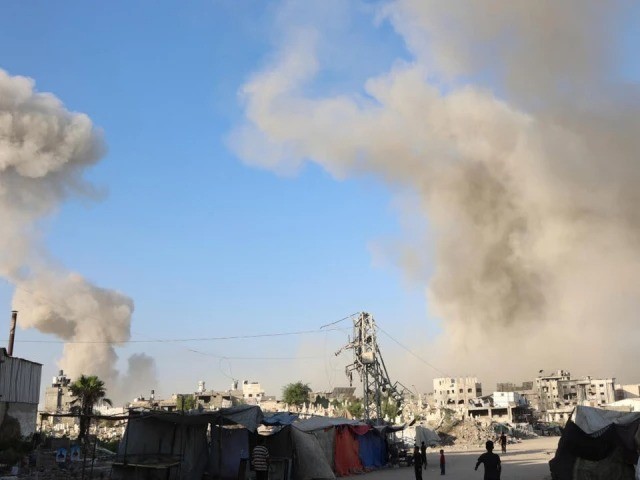
Amid growing fears of another Israeli strike, Iranian military forces have reportedly been placed on high alert. State-run media outlets have emphasized that Tehran is fully prepared for any potential escalation, with senior officials warning of a “stronger response” than in previous conflicts.
Military preparations appear extensive. According to an Iranian military spokesperson, thousands of missiles and drones have been strategically deployed at undisclosed locations. He added that, in the event of renewed hostilities, Iran’s Quds Force, Navy, and Army will be mobilized in unison.
Adding to the diplomatic tension, U.S. President Donald Trump recently reaffirmed his support for Israel following a high-profile meeting with Israeli Prime Minister Benjamin Netanyahu—a development Iranian state media have labeled as a “premeditated political drama.”
An advisor to Iran’s Supreme Leader echoed these concerns, stating that while Iran does not seek war, it will not hesitate to respond with full force if provoked. “The region is on a knife’s edge,” the advisor said. “But let there be no doubt—we are prepared.”
As geopolitical pressure mounts, the prospect of renewed diplomacy between Tehran and Washington now hinges on more than just policy—it depends on rebuilding a relationship fractured by years of conflict, mistrust, and shadow warfare.


