



ISLAMABAD – In a rare diplomatic gesture, Iran has offered Pakistan a “blank cheque” to support Islamabad in addressing ongoing challenges with India and Afghanistan, signaling strong bilateral goodwill and regional solidarity.
Ali Larijani, Secretary of Iran’s National Security Council and a senior aide to the Supreme Leader, described Pakistan as “very dear and honourable” to the Iranian people. Speaking ahead of concluding his visit to Islamabad, Larijani stated,
“We are prepared to give the Pakistanis a ‘blank cheque’ to help resolve these issues, to be used whenever they deem necessary.”
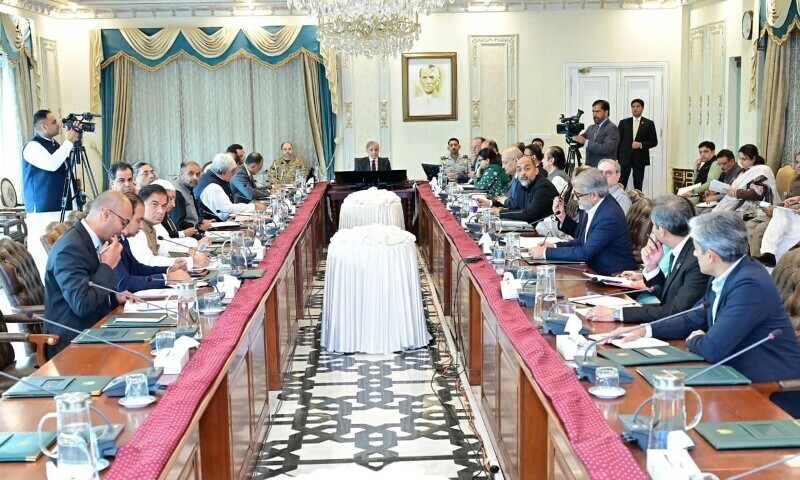
During his trip, Larijani held extensive discussions with Pakistan’s President, Prime Minister, Deputy Prime Minister, and Chief of Army Staff Field Marshal Syed Asim Munir. Talks centered on bilateral ties, regional security, and strengthening Iran-Pakistan cooperation.
The visit came against a backdrop of heightened regional developments, including rising tensions between Pakistan and Afghanistan and ongoing shifts in the Middle East. Larijani acknowledged Pakistan’s diplomatic support to Iran during the recent 12-day Iran-Israel conflict, a role that earned Islamabad significant praise across Tehran.
In a statement shared on his Xi account, Larijani revealed that Iranian President Dr. Masoud Pezeshkian, after his recent Pakistan visit, had issued directives to remove all remaining economic barriers between the two countries. The Supreme National Security Council will also lift restrictions, emphasizing that Iran imposes no limitations on cooperation with Pakistan.
During his meeting at GHQ Rawalpindi with COAS Munir, the two sides discussed joint counterterrorism measures, border security, and mechanisms to enhance bilateral engagement. Senior officials, including DG ISI Lt General Asim Malik, were present.
COAS Munir reaffirmed Pakistan’s commitment to regional peace and stability, highlighting the importance of closer coordination with Iran. Larijani lauded Pakistan’s “vital role” in regional security and reiterated Tehran’s commitment to deepen strategic, political, and economic collaboration.
Both sides underscored that continuous dialogue and practical cooperation were essential to navigate regional challenges and ensure long-term stability in South Asia and the Middle East.


