






Islamabad | July 2025
Pakistan’s tuna fishing industry is on the brink of a major transformation, with officials projecting up to $200 million in foreign exchange earnings following a historic international quota allocation and sweeping regulatory reforms.
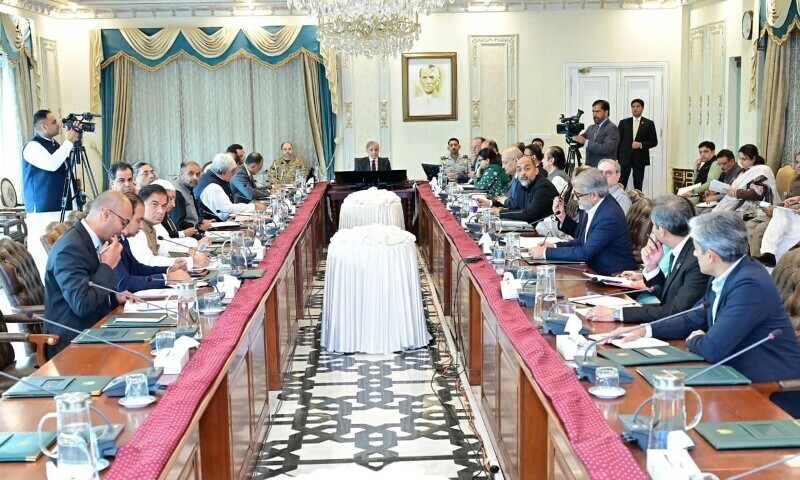
Federal Minister for Maritime Affairs, Muhammad Junaid Anwar Chaudhry, announced on Monday that Pakistan has secured a significant 25,000 metric tonne tuna quota from the Indian Ocean Tuna Commission (IOTC) — marking a breakthrough for the country’s long-overlooked marine sector.
“This is a landmark achievement,” said Chaudhry while addressing reporters in Islamabad. “For the first time, we have a formal allocation of 15,000 tonnes of Yellowfin Tuna and 10,000 tonnes of Skipjack Tuna. The economic potential, if harnessed properly, is enormous.”
International market prices for these tuna varieties currently range from $5 to $7 per kilogram, but with value-added processing, rates could soar higher, he noted.
While Pakistan has been harvesting over 45,000 tonnes of tuna annually, much of this high-value catch has remained outside the formal economy — often due to unregulated fishing practices and outdated systems. According to the minister, this new quota presents a unique opportunity to formally integrate the tuna trade into Pakistan’s documented economy.
To ensure this shift brings tangible benefits, the government has introduced a comprehensive reform package under the National Fisheries and Aquaculture Policy, designed to streamline existing regulatory frameworks and align with global sustainability standards.
“This policy isn’t just about economics; it reinforces our commitment to climate-conscious and sustainable fishing,” Chaudhry said, adding that the reforms also fulfill Pakistan’s international obligations for marine conservation.
Global Recognition and Domestic Reform
In another milestone, a senior official from Pakistan’s Ministry of Maritime Affairs has been elected as Chair of the IOTC’s Standing Committee on Administration and Finance — the first time Pakistan has held this position in the body’s 28-year history. The IOTC, established under the UN’s Food and Agriculture Organization, comprises 30 member countries focused on sustainable management of tuna resources in the Indian Ocean.
Highlighting the environmental aspect of the new strategy, Chaudhry announced that the government is gradually phasing out harmful fishing methods like gillnetting and trawling. In their place, more sustainable longlining techniques are being introduced — a move designed to reduce bycatch and safeguard marine ecosystems stressed by warming oceans and shifting fish migration patterns.
To support this transition, the FAO has donated 10 longline fishing kits to local communities for pilot testing, offering fishermen a hands-on introduction to these environmentally sound practices.
“This change alone can raise the market value of tuna from $2 to as high as $8 per kilogram,” the minister noted.
Boosting Exports, Building Infrastructure
Efforts are also underway to modernize the country’s seafood export infrastructure. Reforms in certification and testing procedures have already increased revenues from Rs48 million to Rs250 million. Additionally, the government is investing in the revitalisation of the Korangi Fisheries Harbour, including a new auction hall and floating jetty, to facilitate better landings and improved storage — especially for tuna exports targeting the lucrative European Union market.
Chaudhry concluded his remarks by emphasizing that Pakistan’s tuna industry is now positioned for sustainable, long-term growth.
“With this quota, global partnerships, and the right policies in place, we’re not just exporting fish — we’re exporting a success story. Pakistan is ready to become a serious player in the global tuna trade.”


