





ISLAMABAD –
In a significant development, the Cabinet Committee on Inter-Governmental Commercial Transactions (CCOIGCT) has turned down a proposed commercial agreement between Pakistan Railways and a UAE-designated company, instructing the Railways Division to explore local financing options instead.
The proposal, part of a broader plan for a dedicated freight corridor project, had involved a potential partnership with DP World, a prominent logistics and port operator based in Dubai. According to official sources, the draft agreement was based on an inter-governmental framework signed between the Ministry of Railways and the Dubai government’s Ports, Customs and Free Zone Corporation.
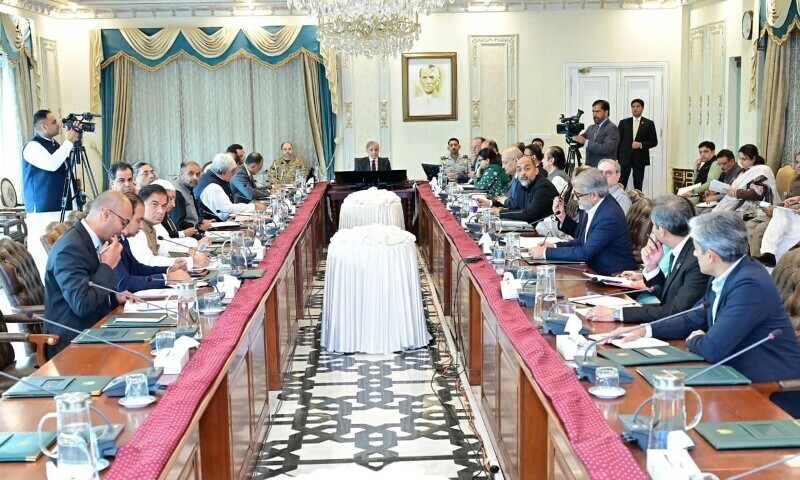
At a recent committee meeting, the Ministry of Railways presented a summary seeking approval for the commercial deal, including an exemption from standard procurement and competition laws under Section 5 of the Inter-Governmental Commercial Transactions Act. However, after detailed discussions, the CCOIGCT declined to greenlight the draft.
Modest Cost, Domestic Solution
According to sources familiar with the meeting, the committee noted that the freight corridor project’s estimated cost — around $20 million — did not justify seeking foreign investment. It emphasized that such a modest-scale initiative could and should be supported through domestic resources.
“The committee recommended looking into other funding models, including public-private partnerships or engaging well-established local investors,” a senior official told The Express Tribune.
Since the Karachi Port Trust (KPT) stands to benefit most from the corridor’s completion, the committee advised developing a joint financing plan in collaboration with KPT and the Ministry of Maritime Affairs.
Officials underscored that foreign investment should be reserved for mega infrastructure projects—those beyond the capacity of indigenous financing mechanisms.
Background of the Deal
The freight corridor, envisioned as a two-phase project, was first discussed under the umbrella of the Special Investment Facilitation Council (SIFC) in October 2024. It included plans for a multimodal logistics park and the modernization of terminal infrastructure along key rail routes.
Following cabinet approval in early 2025, a negotiation committee was established to work out the commercial framework. Between February and June, several rounds of talks were held, and both sides reportedly agreed on core terms and pricing structures for the project’s Phase-I.
Despite the progress, the cabinet committee’s latest verdict now sends the Railways Division back to the drawing board — this time, with a focus on self-reliance.


