

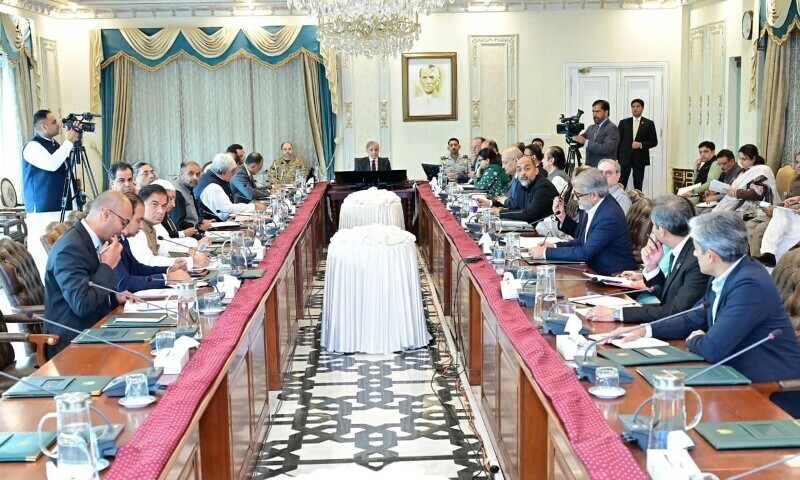
KARACHI – Environmentalists, urban planners, lawyers, writers, and civil society representatives came together at the Karachi Press Club this week, voicing strong concern over the city’s shrinking natural waterways and deteriorating ecological balance. The session, titled “Obstructions and Risks to Karachi’s Natural Waterways,” stressed that protecting the Malir and Lyari rivers is vital to the city’s survival.
Among the participants were legal expert Abeerah Ashfaq, Karachi Press Club Secretary Sohail Afzal Khan, Kazim Hussain Mahesar, Hafeez Baloch of the Indigenous Rights Alliance, urban planner Muhammad Tohid, Professor Dr. Abubakar Baloch, environmentalist Darya Khan, and historian Azeem Dehqan. They underlined that both rivers, along with their tributaries, not only serve as natural flood drains but also form the backbone of Karachi’s ecological system.
Rivers as “Living Waterways”
Speakers demanded that the Malir and Lyari rivers be formally recognized as “living waterways,” free from obstructions, encroachments, and illegal construction. They called for a complete ban on future development along these rivers to prevent further damage to the city’s already fragile ecosystem.
A unanimous resolution was passed urging the government to declare peri-urban areas such as Malir, Gadap, Moedan, and Kathore as permanent green zones and rural territories. This, participants argued, would protect farmland and centuries-old villages from disappearing under the sprawl of private housing schemes while ensuring agriculture retains its role in Karachi’s food security.
The resolution also reiterated the need to enforce the existing ban on sand and gravel extraction from the Malir riverbed, warning that unchecked mining is weakening the river’s structure and disrupting its natural flow.
Safeguarding Land, Forests, and Food Security
Participants pressed for agricultural land in Malir district to be permanently recognized as a green zone in Karachi’s master plan. They proposed restoring leased land to local farmers or granting them ownership rights and providing subsidies to strengthen domestic food production.
Concerns were also raised about the rapid destruction of mangrove forests and coastal resources. Speakers demanded an immediate end to deforestation, land grabbing, and degradation of the coastal belt, urging instead for large-scale mangrove restoration projects.
Facing Climate and Urban Challenges
Experts warned that Karachi’s future remains under threat from climate change, unplanned urbanization, and unchecked industrial expansion. They called for strict enforcement of housing and construction regulations, the creation of a comprehensive disaster management plan, and an outright ban on dumping industrial waste into rivers. Industries, they stressed, must adopt modern waste treatment systems, while excessive groundwater extraction for industrial and commercial use must be curbed to protect dwindling reserves.
The resolution further urged the government to introduce binding legislation to protect natural waterways, forests, and farmland. It also called for an independent environmental review of the Bhutto Highway extension. Land exposed by the project near the Malir river, participants suggested, should be dedicated to forest development to help restore Karachi’s ecological balance.