




The European Union has warned Israel that it could face punitive measures if the humanitarian situation in Gaza does not improve, as pressure mounts on the bloc to respond to the worsening crisis.
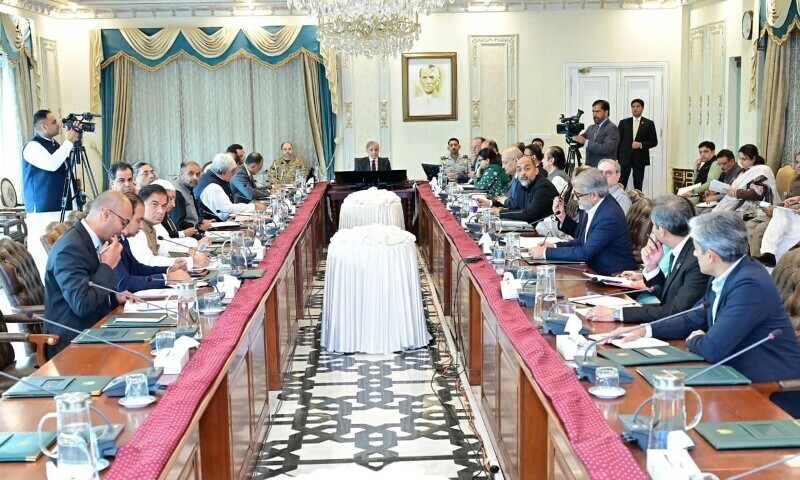
Speaking on Tuesday, EU foreign policy chief Kaja Kallas outlined ten possible options after Israel was found to have breached its cooperation agreement with the EU on human rights grounds. These proposed measures include suspending the cooperation accord altogether, restricting trade ties, imposing sanctions on Israeli ministers, enforcing an arms embargo, or ending Israel’s visa-free travel to the EU.
Despite growing outrage within Europe over the humanitarian catastrophe unfolding in Gaza, member states remain deeply divided on how to handle Israel. No consensus emerged during the meeting of EU foreign ministers in Brussels to implement any of these options immediately.
“We will keep these options on the table and stand ready to act if Israel does not live up to its pledges,” Kallas told reporters, clarifying that,
“The aim is not to punish Israel. The aim is to really improve the situation in Gaza.”
Her comments come days after she announced an agreement with Israel to open additional entry points for aid and increase food deliveries. However, Kallas warned that despite some improvements, Gaza’s humanitarian situation remains “catastrophic.”
“We see some positive signs when it comes to opening border crossings, reconstructing electricity lines, providing water, and allowing in more humanitarian aid trucks,” she said on Monday. “But of course, we need to see more in order to see real improvement for the people on the ground.”
Irish Minister for European Affairs Thomas Byrne, representing one of the EU’s strongest critics of Israel, said Kallas had promised to update member states every two weeks on humanitarian access progress.
“So far, we haven’t really seen the implementation of it – maybe some very small actions – but there’s still slaughter going on,” Byrne said. “We need to see action and we need to use our leverage.”
While the EU remains unable to act decisively due to internal divisions between countries sympathetic to Israel and those more supportive of Palestinians, observers say that even discussing potential punitive options marks a significant step. The EU only agreed to review its cooperation agreement with Israel after Israeli forces resumed large-scale military operations in Gaza following a collapsed ceasefire in March.
Israel’s Foreign Minister Gideon Saar on Monday dismissed concerns about EU action, predicting confidently that the bloc would not impose any further measures.
The war in Gaza was triggered by the October 7, 2023 attack by Hamas on Israel, in which 1,219 people were killed, mostly civilians, according to official Israeli figures compiled by AFP. Hamas also took 251 hostages during the assault, of whom 49 remain in captivity, including 27 whom the Israeli military says are dead.
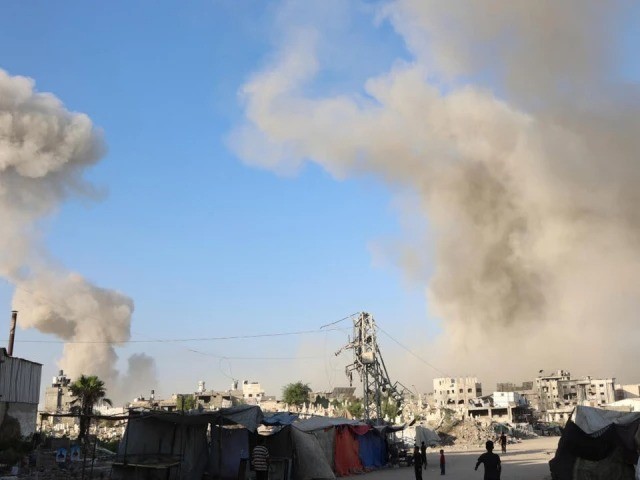
Israel’s retaliatory offensive has devastated the Gaza Strip. According to Gaza’s health ministry, at least 58,386 Palestinians, mostly civilians, have been killed since the war began. The UN has described these casualty figures as credible.
Meanwhile, indirect negotiations between Israel and Hamas for a new ceasefire have been ongoing for two weeks, but progress remains stalled.


