



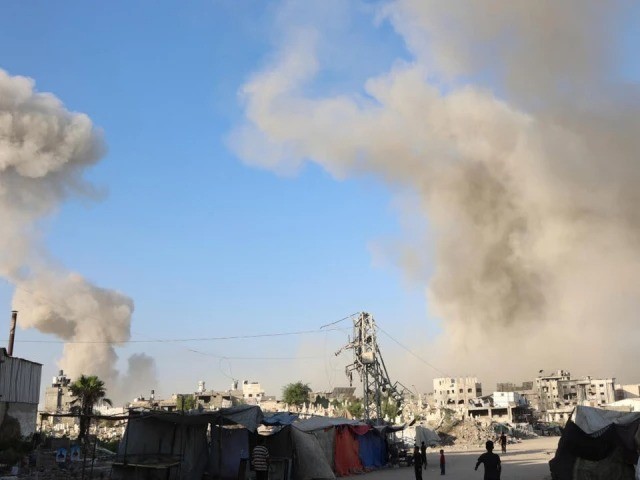

GAZA CITY: At least 43 Palestinians, including eight children, were killed on Sunday in Israeli air strikes across Gaza, as efforts to reach a ceasefire between Israel and Hamas remain deadlocked.
According to Gaza’s civil defence agency, Israeli strikes targeted multiple locations, including a market in Gaza City where 11 people were killed. In another attack at a water distribution point in the Nuseirat refugee camp in central Gaza, eight children were among the 10 victims.
Civil defence spokesman Mahmud Bassal said the strikes had hit civilians going about their daily lives. “Our neighbour and his children were under the rubble,” said Khaled Rayyan, a resident of Nuseirat, describing how he woke up to the sound of two massive explosions.
Israel’s military claimed it was targeting a member of Islamic Jihad, an ally of Hamas, but admitted that “due to a technical error, the munition fell dozens of meters away from the intended target.” The military said it was reviewing the incident and examining reports of civilian casualties.
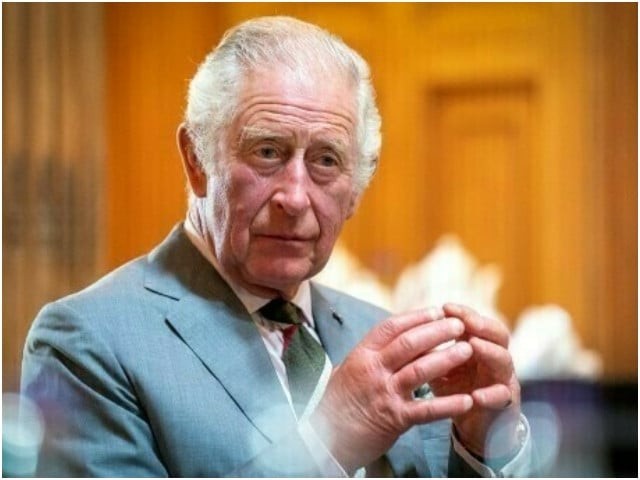
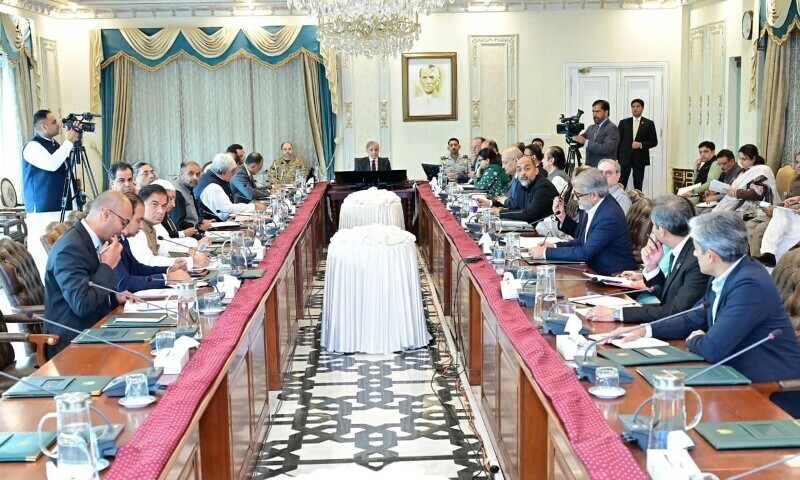
Tensions are escalating as ceasefire talks remain at a standstill in Doha. Negotiators from both sides have spent a week trying to finalise a deal for a temporary truce and hostage release, but each side blames the other for obstructing progress.
“What happened to us has never happened in the entire history of humanity,” said Mahmud al-Shami, another Gaza resident. “Enough.”
Israel’s military said it had struck over 150 “terror targets” across the territory in the past 24 hours as it intensified operations. However, restrictions on media access in Gaza mean independent verification of casualty figures remains difficult.
The ongoing war, which erupted after Hamas’s attack on Israel on October 7 last year, has killed at least 1,219 people in Israel, mostly civilians, with 251 taken hostage. Israel says 49 hostages remain in Gaza, 27 of whom are believed dead. In retaliation, Israel’s military campaign has killed over 58,000 Palestinians, most of them civilians, according to Gaza’s health ministry – figures the UN considers credible.
The humanitarian crisis continues to worsen, with the UN warning that fuel shortages have reached “critical levels,” threatening basic services for Gaza’s two million residents. Only 150,000 litres of fuel entered Gaza in recent days, far short of the 275,000 litres needed daily to keep essential systems running, said Amjad Shawa, head of the Palestinian NGOs Network in Gaza.
Meanwhile, a former Norwegian trawler carrying medical supplies, food, and children’s essentials has set sail from Italy, with pro-Palestinian activists hoping to reach Gaza despite Israel’s recent detention and deportation of people on a previous aid vessel.
Ceasefire negotiations remain fragile. Hamas insists on a complete Israeli withdrawal from Gaza, while Israeli proposals include maintaining troops in over 40 percent of the territory. A Palestinian source warned that Israel’s plan could push hundreds of thousands of Palestinians into southern Gaza as a precursor to “forced displacement into Egypt or other countries.”
Israel denies this, with a senior official saying it has shown flexibility in talks, accusing Hamas of clinging to positions that block an agreement. Prime Minister Benjamin Netanyahu has said Israel will only enter discussions for a permanent peace if Hamas agrees to disarm.
In Tel Aviv, thousands gathered over the weekend demanding the immediate release of the hostages. Former captive Eli Sharabi urged urgency, saying: “The window of opportunity is open now and it won’t be for long.”


