





Islamabad, September 26, 2025 — Pakistan announced on Friday that China has agreed to provide 85% of the financing required for the realignment of the Karakoram Highway (KKH), a critical link between the two countries, while also backing Islamabad’s plan to secure multilateral funding for the strategically important Main Line-1 (ML-1) railway project after Beijing declined to extend concessional loans.
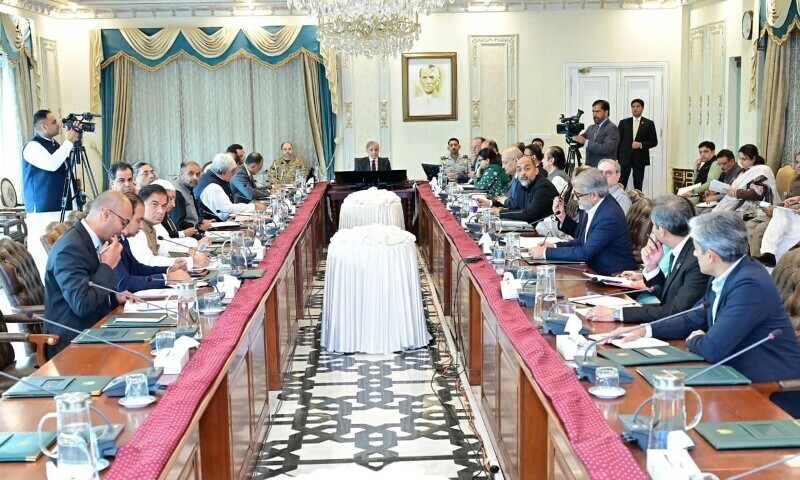
During the 14th Joint Cooperation Committee (JCC) meeting in Beijing, co-chaired by China’s Zhou Haibing and Pakistan’s Planning Minister Ahsan Iqbal, both sides reviewed the progress and future of the China-Pakistan Economic Corridor (CPEC). Iqbal stated that the KKH realignment will begin in phases, with the 82-kilometer submerged section near the Diamer-Basha Dam being addressed first. The total cost of the 241-kilometer Thakot-Raikot section is estimated at Rs576 billion ($2 billion).
While China expressed concern over Pakistan’s rising public debt, it agreed to fund the KKH realignment as a special case to maintain uninterrupted connectivity under extreme weather conditions. Regarding the ML-1 project, both countries agreed that financing would now come from multilateral institutions, including the Asian Development Bank (ADB) and the Asian Infrastructure Investment Bank (AIIB).
The discussions also highlighted plans for climate resilience and preparedness, coordinated efforts to revitalize Gwadar Port, and a potential revision of the China-Pakistan Free Trade Agreement to provide Pakistani products equal market access as ASEAN countries. Iqbal emphasized that exports must become the main driver of Pakistan’s economic growth, noting the imbalance between China’s $2 trillion imports and Pakistan’s $3 billion exports to China.
Additionally, proposals were made for the creation of government-to-government Special Economic Zones (SEZs) in Karachi and Islamabad, focusing on textiles, electronics, pharmaceuticals, engineering, and electric vehicles, alongside the establishment of a Pakistan-China Industrial Relocation Fund to attract foreign direct investment.
Iqbal also underscored the importance of Gilgit-Baltistan as the gateway of CPEC, proposing a 300 MW solar project to tackle the region’s persistent 18–20 hour power outages and boost its economy. He stressed that the future of CPEC should evolve from purely government-to-government collaboration toward business-to-business partnerships, ensuring sustainable and mutually beneficial development for both nations.


