





ISLAMABAD — Prime Minister Shehbaz Sharif’s vision of steering Pakistan toward a cashless economy is facing significant hurdles, as less than 700,000 retailers have adopted digital payment systems nationwide far short of the government’s ambitious target.
According to an official briefing presented to the prime minister this week, most retailers who handle large volumes of cash daily remain reluctant to embrace digital transactions. In Islamabad alone, barely 39,000 merchants have linked their businesses with digital payment solutions.
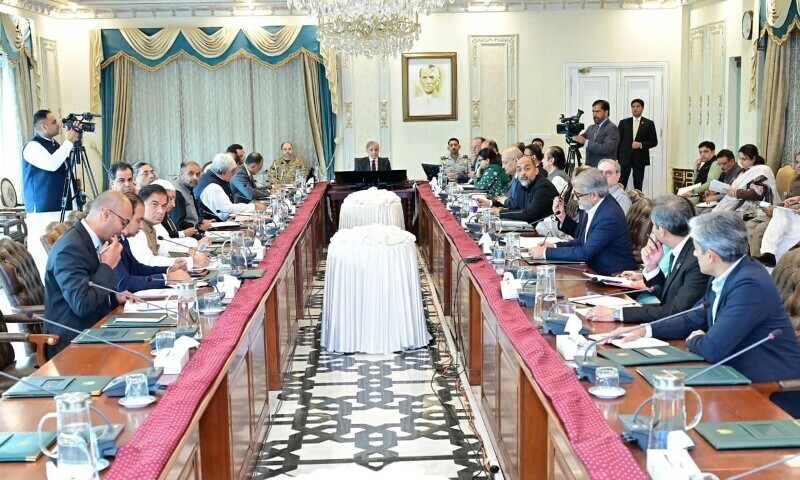
Sharif has set a target of connecting at least 2 million merchants by June 2026, a goal officials admit will be challenging due to the deep-rooted resistance from the trading community. During the meeting, the prime minister emphasized that shifting toward a cashless system is vital for sustainable economic growth, better governance, and reduced corruption. He instructed authorities to intensify awareness campaigns, especially in rural areas, to encourage wider adoption of digital payments.
Despite these efforts, the data paints a discouraging picture. Currency in circulation has surged to nearly 34% of total money supply, and the government’s proposal to raise the withholding tax on cash withdrawals to 1.5% could further push people toward using cash instead of digital modes.
Traders, long considered the weakest link in Pakistan’s tax system, continue to resist documentation. Officials say this reluctance has forced a disproportionate tax burden onto the salaried class and manufacturing sector. While the Federal Board of Revenue (FBR) initially suggested traders paid Rs693 billion in income tax last year, the FBR chairman later clarified the figure was only Rs166 billion far less than the Rs606 billion paid by salaried employees.
Meanwhile, the government has made some progress in other areas of digitalisation. Over 112 million citizens now use digital financial services surpassing the December target of 105 million users. Similarly, digital wallets under the Benazir Income Support Programme (BISP) have been rolled out to millions of beneficiaries, allowing cash transfers to be made securely during Ramadan.
Sharif lauded these developments but pressed for faster progress, directing the central bank to accelerate digital financial inclusion and calling the current targets “not ambitious enough.”
Officials briefed the premier that electricity and gas bills can now be paid through scannable codes, and new business licences will be linked to digital payment systems. The government has also begun issuing licences for new digital banks, including “Raqami Bank,” as part of efforts to expand financial inclusion to 70% of the population by next year.
Despite the optimism, the path toward a truly cashless economy remains steep. With just a fraction of retailers onboard and widespread resistance among traders, Pakistan’s digital transformation though gaining momentum continues to face formidable challenges ahead.


