





The Indus Waters Treaty, once hailed as a model of transboundary cooperation, is now at its most perilous juncture in decades, with growing fears that water could become the next flashpoint between nuclear-armed rivals.
ISLAMABAD – In the dusty plains of Punjab, where fields stretch as far as the eye can see and agriculture sustains millions, a chilling question looms larger than ever: Can India actually stop the flow of Pakistan’s water?
That unsettling possibility has moved from fiction to reality. Back in 1951, legendary writer Saadat Hasan Manto penned Yazid, a short story centered on rumours of India halting river flow into Pakistan. One character scoffs, “…who can close a river; it’s a river, not a drain.”
But in 2025, that rhetorical question is no longer so rhetorical.
Following a brutal militant attack in Indian-administered Kashmir in April that left 26 tourists dead, New Delhi pointed fingers at groups it claims operate from Pakistani soil. In a dramatic response, India suspended the Indus Waters Treaty (IWT)—a 64-year-old agreement that has survived wars, cross-border skirmishes, and political turmoil.
Pakistan’s reaction was swift and severe. The National Security Committee (NSC), comprising top civilian and military leadership, labeled the move “unilateral and unlawful,” warning starkly that any interference with Pakistan’s water share would be treated as an act of war.
A Fragile Peace Shaken
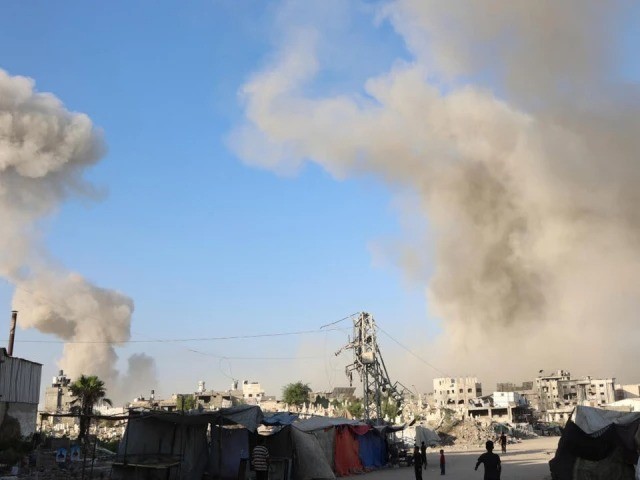
In May, tensions reached a boiling point. Over four days, both nations exchanged missile and drone strikes in what has become the most serious military engagement between the two since Pulwama in 2019. It took direct intervention from US President Donald Trump to broker a temporary ceasefire.
But while the guns have gone silent for now, the diplomatic war is far from over.
Islamabad has launched an international outreach campaign, pressing its case at forums like the UN and the Organisation of Islamic Cooperation (OIC), calling India’s move a violation of international law and a threat to regional stability.
New Delhi, on the other hand, remains defiant. In a bombshell interview with The Times of India on June 21, India’s powerful Home Minister Amit Shah said the suspension of the treaty was final.
“It will never be restored,” Shah said. “International treaties can’t be unilaterally scrapped, but we had the right to place it in abeyance—and we’ve done so.”
A Lifeline at Risk
The Indus Waters Treaty, brokered by the World Bank in 1960, divides six rivers of the Indus Basin between India and Pakistan. While India retained control of the eastern rivers (Ravi, Beas, Sutlej), Pakistan was granted the western rivers (Indus, Jhelum, Chenab), which account for around 80% of its water supply.
For a country like Pakistan, where over 90% of agriculture depends on irrigation, any disruption could spell catastrophe—not just economic, but humanitarian. Roughly two-thirds of Pakistan’s population relies on the Indus system for drinking water, farming, and industry.
Water experts have long warned that the treaty was under strain—not just from climate change, but from increased dam-building on both sides and deepening political hostility.
From Rivers to Red Lines
India insists it’s only exercising its “legal rights” within the framework of the treaty, pointing to years of stalled talks and “security concerns.” Pakistani officials, however, see the suspension as part of a broader pattern—economic coercion, diplomatic isolation, and now, water pressure.
“The Indus is not just a river system. It is Pakistan’s lifeline,” said one senior Pakistani diplomat, speaking on condition of anonymity. “If India weaponises water, it crosses a red line.”
What Lies Ahead?
As monsoon season begins across the subcontinent, the symbolism is hard to miss. Rivers are swelling, but so are tensions. Both sides have the capability—and history—of turning disputes into open conflict. With elections looming in both countries, nationalist rhetoric is running high, and compromise looks increasingly elusive.
Experts fear that if cooler heads don’t prevail soon, what was once a rare example of peaceful cooperation could become the fuse for another regional crisis.
As Manto’s fictional character once said, “Who can close a river?”
Today, the question is not who, but what happens if someone tries?


