
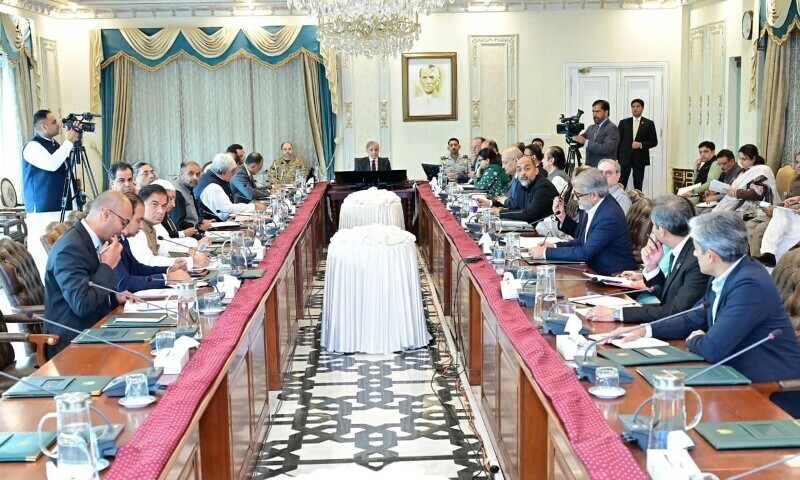
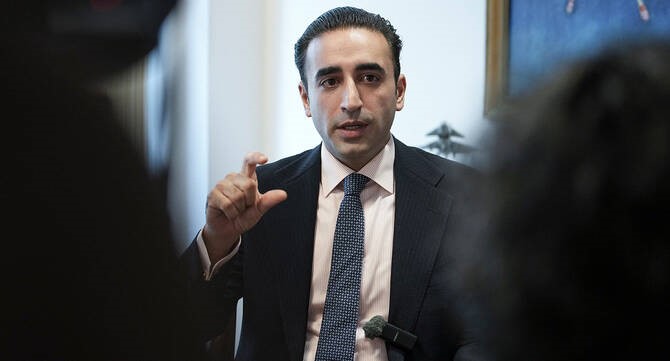
ISLAMABAD — Pakistan’s fragile ruling coalition has been hit by renewed tensions after former foreign minister Bilawal Bhutto-Zardari convened an emergency meeting of his Pakistan People’s Party (PPP) to review its position amid an increasingly public rift with Prime Minister Shehbaz Sharif’s government.
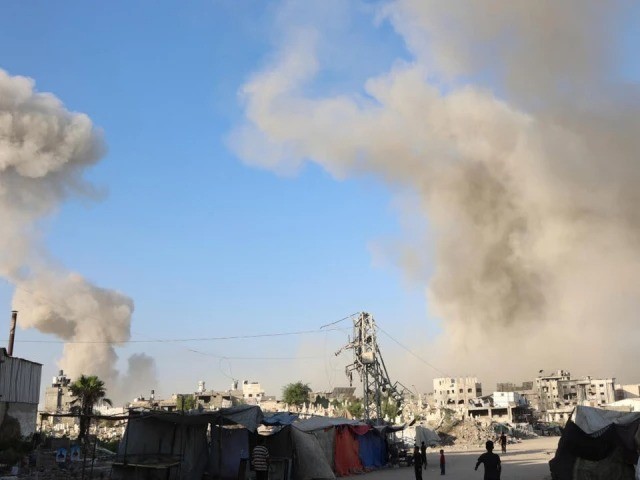
At the heart of the dispute lies a disagreement between the PPP and the Pakistan Muslim League-Nawaz (PML-N) over the distribution of federal relief funds for victims of this year’s devastating floods, which have claimed more than 1,000 lives nationwide. The PPP insists that financial assistance should be disbursed through the Benazir Income Support Programme (BISP) a welfare initiative named after Bhutto-Zardari’s late mother and former prime minister, Benazir Bhutto while the PML-N-led Punjab government wants to rely on its own provincial assessments.
The dispute escalated further after Punjab Chief Minister Maryam Nawaz, daughter of former premier Nawaz Sharif and niece of Prime Minister Shehbaz Sharif, defended her province’s authority over water resources. Her remarks infuriated the PPP-led Sindh government, which has long accused Punjab of monopolizing water from the Indus River, Pakistan’s main lifeline for agriculture and irrigation.
In a statement posted on X (formerly Twitter), the PPP confirmed that its Central Executive Committee would meet on October 18 at Bilawal House in Karachi to “take important decisions regarding national politics.” Party sources say the meeting will focus on reassessing the PPP’s role within the coalition and deciding whether to adopt a tougher stance toward the federal government.
President Asif Ali Zardari, who co-chairs the PPP alongside his son, has also summoned Interior Minister Mohsin Naqvi a figure seen as close to the military establishment — to Karachi in an effort to cool down tempers. Later on Wednesday, President Zardari met with Naqvi, Deputy Prime Minister Ishaq Dar, and National Assembly Speaker Ayaz Sadiq in Nawabshah, signaling behind-the-scenes efforts to prevent a political rupture.
PPP spokesperson Nadeem Afzal Chan told Arab News that the party would use the upcoming meeting to evaluate “the future of the alliance.”
“We have made certain demands, including holding local government elections in Punjab, using BISP data for flood relief distribution, and providing additional support for farmers,” Chan said. “The party will continue to raise its voice for these causes.”
On the other side, Punjab Information Minister Azma Bukhari, a close aide to Maryam Nawaz, dismissed the PPP’s criticism and rejected calls for an apology from the chief minister.
“Giving dictation to the Punjab government is unacceptable,” she said. “Our allies can advise us, but it is the chief minister’s prerogative to accept or reject that advice. Their recommendations should not become a tool for political blackmail.”
Bukhari further explained that BISP data and flood damage data are not the same, noting that the Punjab administration is conducting its own independent assessments of losses to crops, property, and livestock.
“Maryam Nawaz will not apologize and why should she?” Bukhari asserted. “Standing up for Punjab’s rights is not something to apologize for.”
Despite growing speculation about a possible no-confidence move against Prime Minister Shehbaz Sharif, analysts believe such a step remains unlikely.
Following the February 2024 general elections, no party secured a clear majority in parliament. Candidates backed by jailed former premier Imran Khan’s Pakistan Tehreek-e-Insaf (PTI) emerged as the largest group but failed to form a government. The PML-N and PPP subsequently stitched together a coalition through a power-sharing arrangement, with the backing of smaller parties and, by most accounts, the quiet support of Pakistan’s powerful military establishment.
Political observers believe the current friction will ultimately subside.
“These tensions will fade away because the coalition enjoys the establishment’s full backing,” said veteran journalist Mazhar Abbas. “Maryam Nawaz may not issue an apology, but a carefully worded clarification could help ease the situation.”
Seasoned analyst Suhail Warraich offered a similar view.
“This noise will end in reconciliation,” he said. “There won’t be any apology just another patch-up. That’s how politics works here.”
For now, however, the standoff underscores the uneasy balance of power within Pakistan’s ruling alliance a coalition that continues to rely on the military’s steady hand to keep its political partners from drifting apart.