




Antimicrobial resistance (AMR) is quietly becoming one of Pakistan’s deadliest health and economic challenges. Globally, drug-resistant infections caused nearly 5 million deaths in 2019, and Pakistan is among the hardest-hit countries. New estimates show AMR directly caused 59,200 deaths in Pakistan in 2019, while contributing to over 221,000 more. By 2022, resistant infections surged to 1.15 million cases, causing nearly 65,000 direct deaths.
The economic fallout is staggering. In 2022, AMR cost Pakistan $3.5 billion — almost 1% of its GDP — from prolonged hospital stays, costly second-line treatments, repeat testing, and productivity losses. That burden is projected to cross $5 billion by 2025.
The Fleming Fund Country Grant has supported Pakistan by strengthening labs, expanding surveillance, and funding research, including the first economic analysis of AMR’s toll. But with donor support shrinking, sustainability is in doubt.
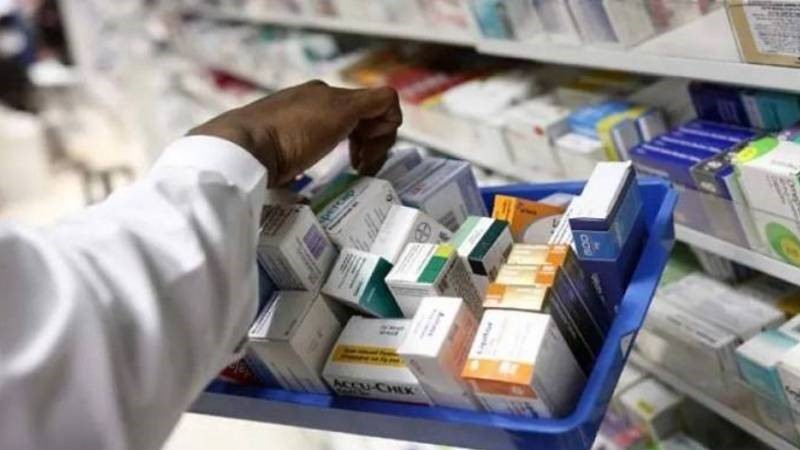
The misuse of antibiotics remains rampant: easy over-the-counter sales, poor diagnostics, and weak regulation. Alarmingly, 70% of common infections no longer respond to first-line antibiotics, forcing reliance on toxic, expensive drugs. For poor households, treatment costs up to PKR 700,000 per patient — devastating in a country where over 93 million people live in multidimensional poverty.
Despite the threat, Pakistan’s funding for its National Action Plan on AMR in 2025 is less than $3.3 million — a tiny fraction of the economic losses expected. Urgent political will and investment are needed to meet WHO goals: reducing AMR deaths by 10%, ensuring 80% access to essential drugs, and banning last-resort antibiotics in agriculture.
AMR is dismantling healthcare systems and threatening decades of progress. For Pakistan, this is not a distant crisis — it is unfolding now.


