



WASHINGTON – In a move that could mark a turning point in US-Pakistan relations, Deputy Prime Minister and Foreign Minister Ishaq Dar is set to meet with US Secretary of State Marco Rubio in Washington on July 25, following his high-level engagements at the United Nations in New York.
This will be the first senior-level meeting between the two nations since 2016—a long diplomatic drought that many believed symbolized a strategic disengagement. That changed dramatically earlier this year when Pakistan’s Army Chief, Field Marshal Asim Munir, was hosted at a rare and symbolic lunch at the White House by then-President Donald Trump.
Dar’s scheduled meeting with Secretary Rubio is being closely watched in both Islamabad and Washington. For many observers, it’s more than just another bilateral encounter—it’s the beginning of a diplomatic reset.
A Busy Agenda in New York
Before arriving in Washington, Dar will touch down in New York on Sunday afternoon to participate in key UN sessions under Pakistan’s current presidency of the UN Security Council (UNSC). There, he will chair an open debate focused on “Promoting international peace and security through multilateralism and peaceful settlement of disputes.”
He’s also slated to preside over a quarterly UNSC debate on the “Situation in the Middle East, including the Palestinian Question,” and lead a high-level briefing on enhanced cooperation between the UN and the Organisation of Islamic Cooperation (OIC).
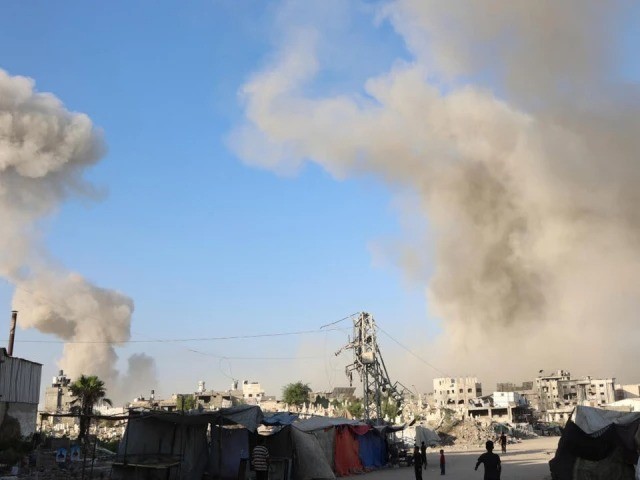
One of the most anticipated parts of his UN agenda is a special conference on the peaceful settlement of the Palestinian issue and the implementation of the two-state solution. With Gaza in crisis and international tensions running high, Dar’s presence and leadership at this forum are expected to attract wide diplomatic attention.
Washington Meeting: More Than Symbolism
But it’s the upcoming Rubio-Dar meeting in Washington that is drawing the most attention. After years of frozen dialogue, the two sides now appear to be reopening channels for strategic cooperation.
The timing couldn’t be more critical. Both nations face shifting regional dynamics, and in the face of growing economic and security challenges, a revitalized bilateral relationship could bring tangible benefits on multiple fronts.
According to diplomatic insiders, the discussion is expected to go beyond traditional security issues. There are talks of deepening trade, investment in emerging sectors, and increased collaboration in global governance forums.
A Parallel Effort on the Economic Front
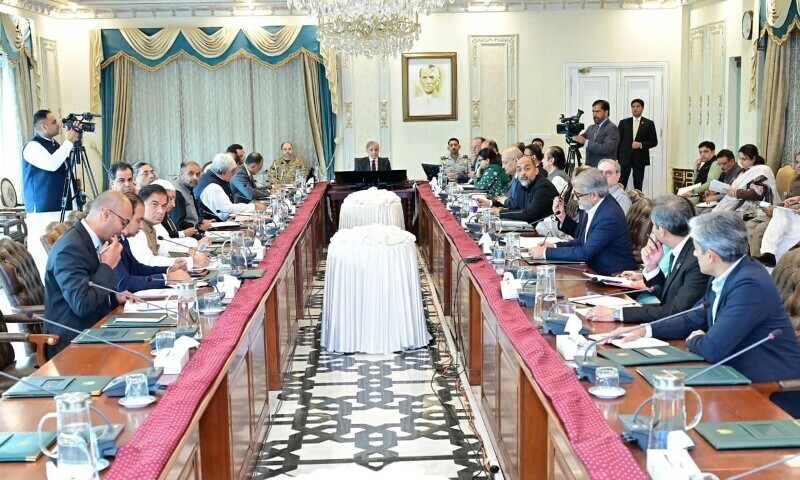
Dar’s visit comes on the heels of another high-profile Pakistani delegation. Just days earlier, Finance Minister Muhammad Aurangzeb met with US Commerce Secretary Howard Lutnick and Trade Representative Jamieson Greer in Washington.
Their discussions reportedly centered around a long-anticipated trade and tariff agreement, with both sides showing cautious optimism. Aurangzeb described the meetings as “very constructive”, emphasizing that Pakistan is ready to think beyond short-term trade wins.
“We have to move beyond the immediate trade imperative,” he said.
“For the Pakistan-US relationship to move to the next level, investment is the key — and we believe areas like minerals, AI, and crypto could be real game changers.”
Aurangzeb returned to Pakistan on Saturday, leaving behind a trail of hopeful headlines and the possibility of a new chapter in economic diplomacy.
Where Do We Go From Here?
While it’s too early to declare a full-scale revival of Pakistan-US ties, the signs are unmistakable: Washington is opening the door again, and Islamabad is walking through it—carefully, but deliberately.
The Dar-Rubio meeting could serve as the anchor for a renewed strategic dialogue, one that isn’t just rooted in the past but focused on future challenges—climate, technology, trade, and global peace.
And perhaps, just perhaps, this time both countries might finally learn from their long and complicated history—and choose partnership over drift.


