


ISLAMABAD:
In a significant step toward strengthening Pakistan’s energy infrastructure, the government has approved a policy framework paving the way for around $280 million in investment from Azerbaijan’s state-owned oil company SOCAR. The decision allows SOCAR to join the long-discussed Machike-Thallian-Tarrujabba White Oil Pipeline (MTT-WOP), a project expected to reshape the country’s fuel transport network.
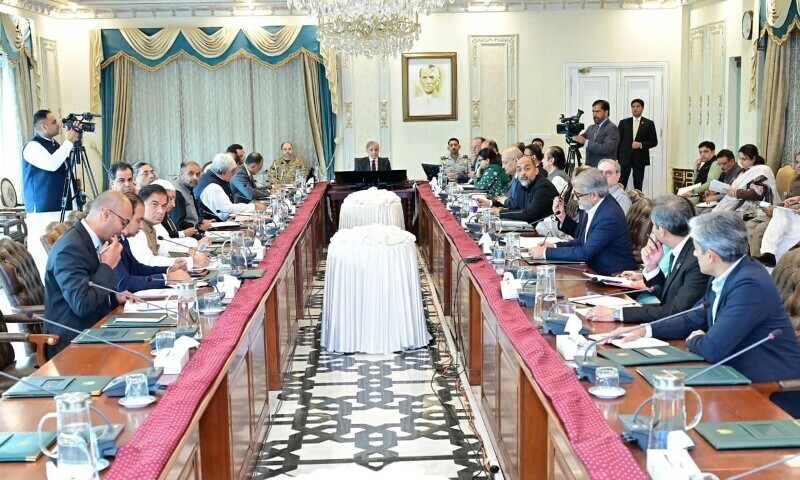
According to officials familiar with the matter, the Economic Coordination Committee (ECC) has endorsed a regulatory structure that ties tariff adjustments to actual foreign investment. Under the arrangement, SOCAR’s participation will bring in much-needed capital while ensuring a shift from Pakistan’s heavy reliance on road transport for petroleum products.
Strategic Project Backed by ECC
The ECC approved recommendations from the Petroleum Division, which sought to protect investor confidence by linking dollar-based returns to confirmed foreign inflows. This framework also requires oil marketing companies (OMCs) to commit minimum annual volumes to the pipeline, backed by a “ship-or-pay” guarantee. Any shortfall in volumes will be covered through the Inland Freight Equalisation Margin (IFEM), ensuring the project’s financial viability.
The White Oil Pipeline, stretching from Machike in central Punjab to Tarrujabba near Peshawar, has been on the agenda since Azerbaijani President Ilham Aliyev’s 2024 visit to Pakistan. Talks gained momentum earlier this year during Prime Minister Shehbaz Sharif’s trip to Baku, where SOCAR reiterated its investment interest but pressed for firm guarantees.
Balancing Investor Confidence and Fiscal Prudence
Regulators had previously approved the Machike-Thallian section of the pipeline, while the Thallian-Tarrujabba stretch remains under review. The Finance Division suggested extending the project’s payback period from four to seven years and cutting the weighted average cost of capital, but the Petroleum Division pushed back, warning that such changes could deter foreign investors. The ECC ultimately sided with the Petroleum Division, reflecting the government’s priority of attracting foreign capital over short-term cost adjustments.
Reducing Dependence on Road Transport
Currently, nearly 70 percent of petrol and diesel in Pakistan is transported by road, compared to only 28 percent via pipeline and a meager 2 percent by rail. Officials argue that expanding pipeline infrastructure will reduce road congestion, lower costs, and improve energy security.
During discussions, the Power Minister voiced caution, warning that dollar-linked tariffs while essential for foreign investment should be carefully assessed to avoid mistakes similar to those made with Independent Power Producers (IPPs). Nonetheless, the ECC described the project as a “strategic investment” that could reshape Pakistan’s fuel logistics and attract further international partners.
Geopolitical and Economic Significance
Beyond economics, the deal carries geopolitical weight, deepening Pakistan’s energy partnership with Azerbaijan, a major oil and gas producer looking to expand its overseas footprint. Industry insiders believe the framework provides regulatory certainty, potentially opening the door for additional foreign investors to consider Pakistan’s energy sector.
Next Steps
With the ECC’s green light, the focus now shifts to direct negotiations with SOCAR to finalize the commercial terms of investment. If concluded successfully, the $280 million deal will rank among the largest foreign direct investments in Pakistan’s energy sector in recent years, marking a milestone in both economic and diplomatic ties.