




Summit held in Tianjin calls for united action against terrorism, stresses multipolar world order
ISLAMABAD – The Shanghai Cooperation Organisation (SCO) has strongly denounced recent terrorist attacks in Pakistan’s Balochistan province and the assault on tourists in Indian Illegally Occupied Jammu and Kashmir (IIOJK), urging the international community to abandon double standards in the fight against terrorism.
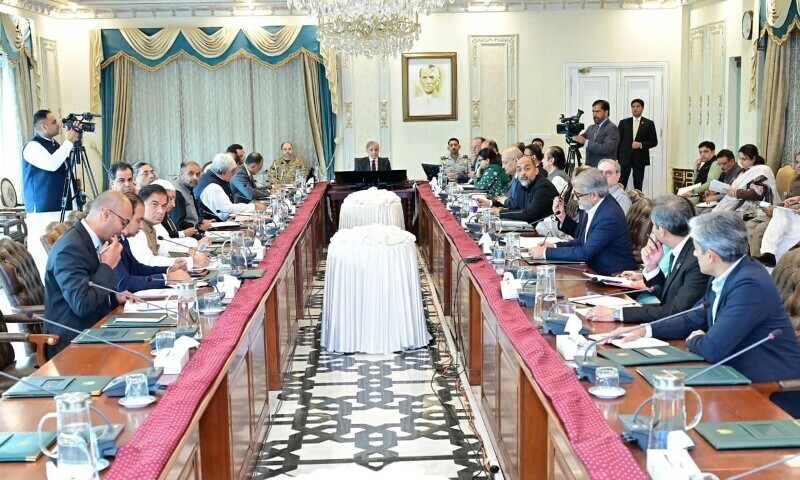
In a joint declaration issued after the Council of Heads of Member States meeting in Tianjin, China, the 10-member regional bloc called for a comprehensive global convention to counter terrorism. The summit was chaired by Chinese President Xi Jinping and attended by Prime Minister Shehbaz Sharif, Russian President Vladimir Putin, Indian Prime Minister Narendra Modi, Iranian President Masoud Pezeshkian, and leaders from Kazakhstan, Kyrgyzstan, Uzbekistan, Tajikistan, and Belarus.
Attacks in Balochistan and IIOJK condemned
The SCO leaders specifically condemned the hijacking of the Jaffar Express in Balochistan on March 11, the bombing of a school bus in Khuzdar on May 21, and the April 22 assault on tourists in Pahalgam. Extending condolences to the victims’ families, the statement stressed that perpetrators, organisers, and sponsors of such acts must be brought to justice.
The leaders reaffirmed their collective stance against terrorism in all forms, rejecting any use of extremist or separatist groups for political or mercenary purposes. They also agreed on the importance of strengthening multilateral cooperation to curb terror financing and combat radical ideologies.
Push for multipolar world order
The summit also addressed global instability, warning that growing geopolitical tensions and economic disruptions posed serious risks to security. The leaders reiterated their commitment to building a fair, just, and multipolar international order rooted in respect for sovereignty, international law, and the UN Charter.
Rejecting bloc-based confrontational approaches, the SCO called for greater Eurasian cooperation and endorsed the idea of a “Greater Eurasian Partnership” linking the SCO with SAARC, ASEAN, and other regional forums.
Concern over Gaza and strikes on Iran
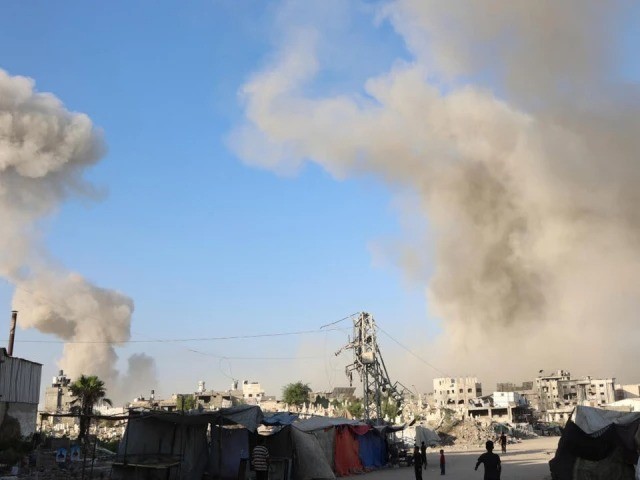
The joint statement expressed deep concern over the humanitarian crisis in Gaza, urging an immediate ceasefire and unhindered humanitarian access. It also condemned Israeli and US military strikes on Iran in June, calling them a violation of international law and a threat to civilian safety, including nuclear infrastructure.
The leaders underlined the right of all nations to peacefully develop atomic energy and opposed unilateral restrictions in this field. They urged a return to constructive dialogue to prevent further escalation in the region.
Afghanistan, drug trafficking, and regional security
Reaffirming their stance on Afghanistan, the SCO called for the establishment of an inclusive government representing all ethnic and political groups. The leaders highlighted the need to prevent the country from becoming a hub of terrorism and narcotics trafficking.
The bloc also announced plans for a new SCO-Plus Dialogue on Security Issues in Tashkent, while backing enhanced cooperation against drug smuggling, arms trafficking, and extremist propaganda.
Development, trade, and sports cooperation
Looking ahead, the member states pledged to pursue sustainable development through the SCO Development Strategy until 2035 and agreed to intensify discussions on establishing an SCO Development Bank.
The summit also voiced support for the Belt and Road Initiative (excluding India) and emphasised closer trade facilitation measures. Additionally, leaders underlined the importance of cooperation in sports, calling for international events to be free of discrimination and held in the spirit of peace and friendship.
Kyrgyzstan takes over next chairmanship
At the conclusion of the summit, it was announced that Kyrgyzstan would assume the rotating chairmanship of the SCO, with the next leaders’ summit scheduled for 2026 under the theme: “25 years of the SCO: together towards sustainable peace, development and prosperity.”


