






LAHORE – July 29, 2025:
Punjab Chief Minister Maryam Nawaz Sharif on Monday officially launched a pioneering ‘Waste to Value’ initiative under the Suthra Punjab Programme, marking a major step toward sustainable energy and waste management in the province.
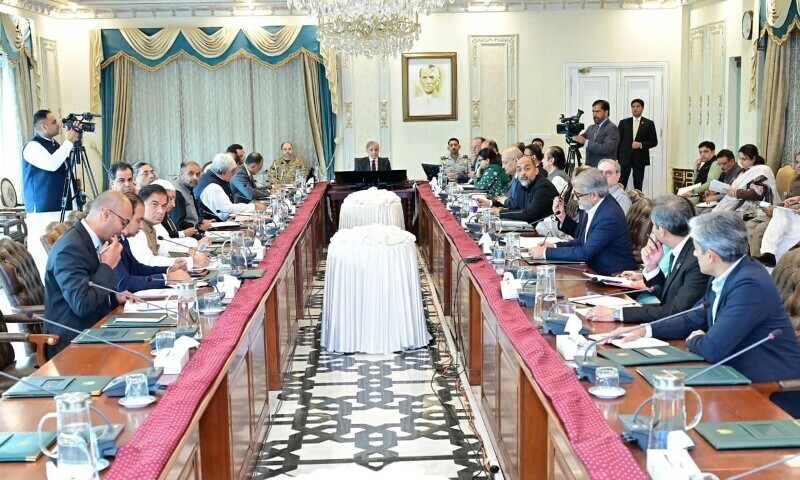
The project follows the success of a pilot experiment conducted in Lakhodair, Lahore, where biodegradable animal waste was successfully converted into biogas — a first-of-its-kind development in Punjab’s history. Chairing a high-level briefing at the Lahore Waste Management Company (LWMC), the chief minister called the initiative a “historic breakthrough in green energy” and directed authorities to expedite the full-scale implementation.
“Transforming waste into a source of energy is no longer just a concept — it’s happening right here in Punjab,” said Maryam Nawaz during the session. “This is the future we owe to our next generation: cleaner, greener, and self-sustaining.”
According to officials, 1,000 metric tonnes of animal waste can produce up to 25,000 kilograms of gas, while biogas generated from sacrificial animal waste alone has the potential to bring in around Rs7 million in revenue. This not only offers an innovative solution to managing post-Eid waste but also opens new doors for municipal income generation.
Further, authorities reported that the rehabilitation of the Lakhodair waste disposal site is expected to yield 275,000 tonnes worth of carbon credits, translating into an estimated $4.2 million in annual revenue — a significant economic incentive tied to climate-positive development.
Environmental experts have welcomed the initiative, calling it a game-changer for urban waste management and a model that could be replicated across other districts. The LWMC has been tasked with scaling up operations and ensuring that infrastructure, equipment, and trained personnel are deployed without delay.
As part of the broader Suthra Punjab Programme, the project aligns with the provincial government’s vision of cleaner cities, renewable energy adoption, and climate resilience.
Officials say the next phase will involve partnerships with private sector stakeholders to expand the project’s reach and sustainability, while simultaneously creating green jobs for local communities.


