




Islamabad, September 26, 2025 — Humanitarian organizations are shifting their focus from emergency relief to recovery and rebuilding after devastating monsoon floods left more than 6.9 million people affected and forced around 3 million from their homes across Pakistan.
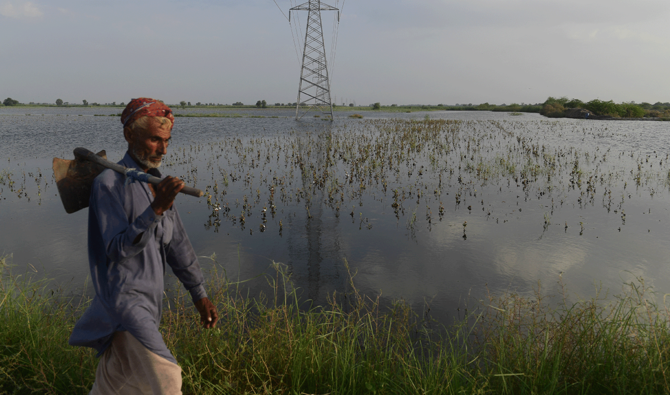
According to a situation report released by the International Medical Corps (IMC) on September 25, the floods have inundated over 2.5 million acres of farmland, wiping out crops, killing livestock, and pushing more than 150,000 people into temporary shelters. As floodwaters gradually recede, returning families are confronting collapsed homes, unsafe water sources, and damaged sanitation facilities conditions that aid workers warn could spark fresh outbreaks of disease.
The disaster comes just three years after Pakistan’s 2022 floods, which submerged a third of the country and impacted 33 million people, underscoring the nation’s growing vulnerability to climate-driven catastrophes. Officials and aid groups alike caution that recurring extreme weather is steadily eroding livelihoods, worsening food insecurity, and stretching already fragile public services.
“These floods have disrupted lives and livelihoods on an enormous scale. Our priority now is to help families recover from the immediate impacts and support them in rebuilding their futures,” an IMC spokesperson said.
So far, IMC teams have conducted more than 2,200 outpatient consultations, distributed nearly 58,000 water-purification sachets, and reached over 21,000 people through hygiene awareness sessions. The organization has also begun providing psychosocial support to affected families and identified four health facilities in need of rehabilitation.
Health concerns remain urgent, with aid workers reporting rising cases of diarrhea, skin infections, and mosquito-borne illnesses. The destruction of water systems has left many communities dependent on unsafe sources, while the loss of livestock has further weakened rural incomes.
IMC officials say mapping damaged villages is now underway to assess long-term needs and guide rehabilitation projects. “Ensuring clean water and repairing health services are critical steps to preventing future health crises and helping communities move toward recovery,” the organization noted.


