Tent Classrooms Set Up in Relief Camps as Children Face Education Crisis
LAHORE:
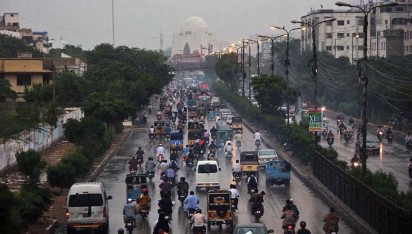
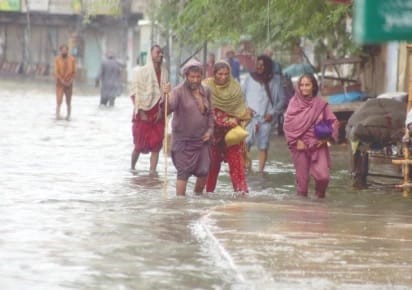
The worst flooding Punjab has seen in decades has left a trail of devastation across the province, submerging or damaging more than 2,000 schools and pushing thousands of children out of classrooms.
In district after district, the destruction is visible. Kasur alone has reported over 100 unsafe schools, while nearly 90 remain shut in Chiniot. Dozens more in Sialkot, Narowal, Multan, and Muzaffargarh have either been inundated or declared structurally unfit for students. Even in Lahore, 45 schools remain closed many now serving as temporary shelters for families displaced by rising waters.
Officials from the Punjab School Education Department confirmed that at least 66 institutions will stay closed until safety inspections are carried out. Early assessments suggest the financial toll will run into billions of rupees, with rehabilitation expected to take months.
Schools Turned into Shelters
In flood-hit villages, classrooms have been transformed into survival spaces. Families fleeing riverbanks and submerged fields are living inside school buildings, cooking in courtyards that once echoed with children’s lessons. Education, for now, has been pushed aside by the struggle to meet daily needs.
Risk of Dropouts and Learning Gaps
Education experts warn of deeper, long-term consequences. Rising dropout rates, children being pushed into labor, and an expanding literacy gap in rural Punjab are seen as real risks particularly in areas where access to online or digital learning remains limited.
Government Response
Punjab Education Minister Rana Sikandar Hayat acknowledged the crisis on International Literacy Day, confirming that more than 2,000 schools had been hit. He assured parents that the government “will not allow children’s futures to be washed away by the floods.”
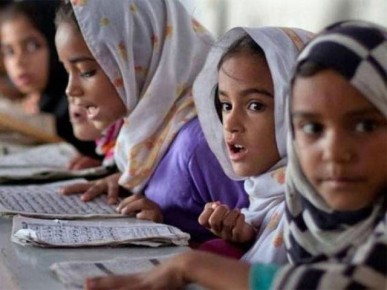
On the directives of Chief Minister Maryam Nawaz, authorities have established tent schools in relief camps, offering children at least a temporary place to continue learning. Minister Sikandar, after visiting several of these camps, said he was inspired by the resilience of students, adding that “their determination has strengthened the government’s resolve to ensure no child’s dream of education is left incomplete.”
Road to Recovery
Provincial departments have now been tasked with conducting rapid safety surveys, while deputy commissioners have been ordered to inspect buildings before reopening. But with rehabilitation costs soaring and thousands of children still in limbo, restoring education in flood-hit Punjab is expected to be a long and difficult journey.