




ISLAMABAD – July 31, 2025
In a significant development for Pakistan’s healthcare and pharmaceutical sectors, the country is preparing to import insulin from Russia, with broader plans to eventually begin local production through a joint venture.
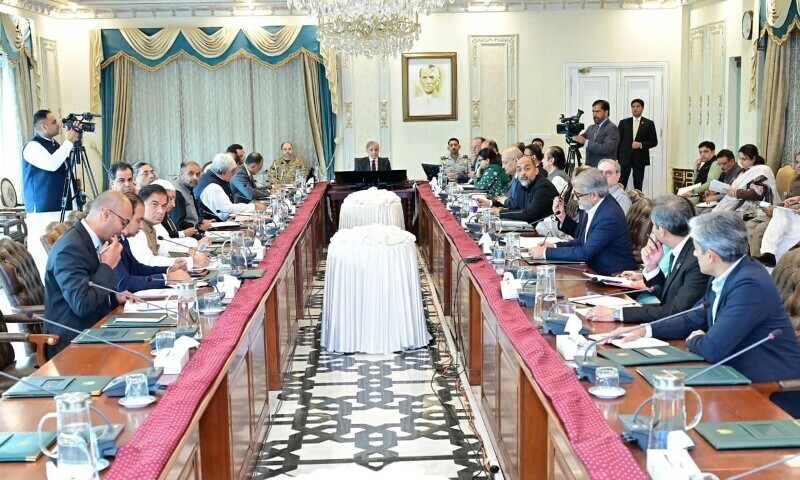
The initiative was discussed during a high-level meeting chaired by Haroon Akhtar Khan, the Special Assistant to the Prime Minister (SAPM) on Industries. The meeting included Russian representative Denis Nazarov, along with senior officials from the Ministry of Industries and Production, the Ministry of National Health Services, and the Drug Regulatory Authority of Pakistan (DRAP).
The talks focused on expediting the import of insulin from Russia and laying the groundwork for pharmaceutical joint ventures. Officials confirmed that DRAP has already granted permission to Genetics Pharmaceuticals, based in Lahore, to import insulin from Russian pharmaceutical firm Zavod Medisintez.
Speaking during the meeting, Haroon Akhtar described the joint venture as a “milestone” in deepening economic ties with Moscow. He stressed the importance of ensuring an uninterrupted insulin supply, noting that Pakistan has a high number of diabetic patients and depends heavily on imported insulin to meet demand.
“This partnership reflects the prime minister’s vision of enhancing local production capacity in critical health sectors,” Akhtar said. “We are now moving toward starting local manufacturing in collaboration with our Russian counterparts, and a joint protocol is in the works.”
He also instructed stakeholders to prepare a detailed proposal outlining the framework for cooperation and policy implementation.
Sources within DRAP disclosed that a registration letter for importing Russian insulin was issued to Genetics Pharmaceuticals on May 5, 2025. The company later applied for a revision of the Maximum Retail Price (MRP), citing inflation and changes in the Consumer Price Index (CPI), as allowed under the Drug Pricing Policy of 2018. DRAP approved the revised MRP on June 16.
Interestingly, the manufacturer is seeking price parity with the original brand, Eli Lilly. However, the importer has yet to formally submit a justification or application for the proposed price hike.
Observers point out that local companies like Getz Pharma and BF Bio Sciences are currently selling domestically produced insulin at equal or even lower MRPs compared to the Russian import. A price increase for the imported version could make it more expensive than insulin offered by other global players, including Novo Nordisk.
Under current regulations, the importer has two avenues for applying for a price hike: either under the “hardship” category in paragraph 9 of the Drug Pricing Policy, or by providing commercial import records that justify the proposed increase.
The pricing process involves calculating the trade price based on the landed cost — which includes import price, customs duty, levies, and other expenses — plus a 40% markup. An additional 15% margin is then applied to arrive at the final MRP, which is subject to review by the drug pricing committee and further approvals from the DRAP policy board, a cabinet-level committee, and ultimately, the federal cabinet.
For now, officials say the move to source insulin from Russia is just the beginning. If local manufacturing plans go ahead as expected, the partnership could lead to a more stable supply and potentially lower prices for life-saving medication in Pakistan.


