



July 18, 2025 | Rawalpindi
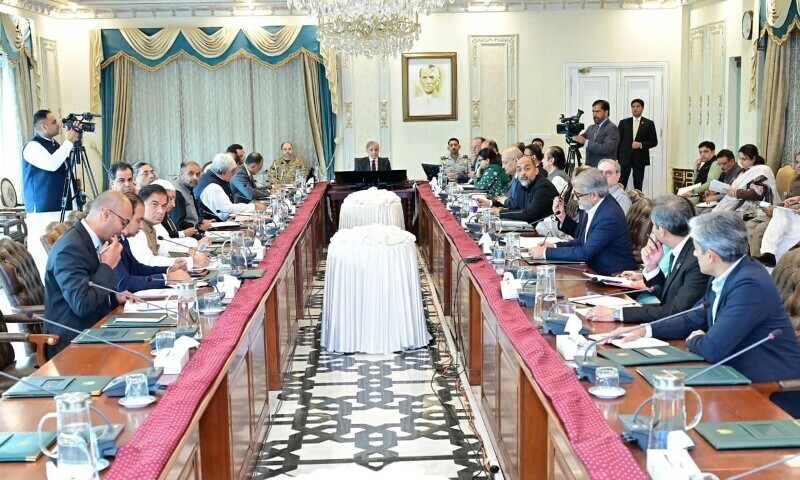
In a significant step toward strengthening bilateral military ties, Pakistan’s Chief of Army Staff (COAS) Field Marshal Asim Munir met with Commander-in-Chief of the Libyan Armed Forces, Lieutenant General Saddam Khalifa Haftar, at the General Headquarters (GHQ) in Rawalpindi on Friday. The two military leaders agreed to collaborate in the defence industry and share technical expertise to counter emerging security challenges.
The meeting, as confirmed by the Inter-Services Public Relations (ISPR), touched on a broad spectrum of topics — from mutual security concerns to the shifting dynamics of the regional security landscape. Both sides expressed commitment to deeper engagement in defence cooperation, particularly in the area of industrial collaboration.
Laying the Groundwork for Strategic Defence Ties
According to ISPR, Field Marshal Munir and Lt Gen Haftar discussed plans for joint efforts in defence production and technology exchange. These steps are aimed at enhancing each country’s capacity to deal with evolving threats in an increasingly volatile geopolitical environment.
Military analysts view the move as a strategic realignment — one that could position Pakistan as a key partner for Libya in rebuilding and modernizing its defence infrastructure, which has suffered significantly amid years of conflict and instability.
Warm Welcome and Symbolic Gestures
Upon his arrival at GHQ, Lt Gen Haftar was given a ceremonial reception, including a smartly turned-out guard of honour. He also paid tribute to Pakistan’s fallen soldiers by laying a wreath at the Yadgar-i-Shuhada (Martyrs’ Monument), a solemn gesture that underscored the mutual respect between the two armed forces.
“The visit reflects a growing desire on both sides to not just acknowledge past ties, but to chart a new course for meaningful and mutually beneficial cooperation,” a senior defence official commented.
Context Matters: Libya’s Internal Struggles
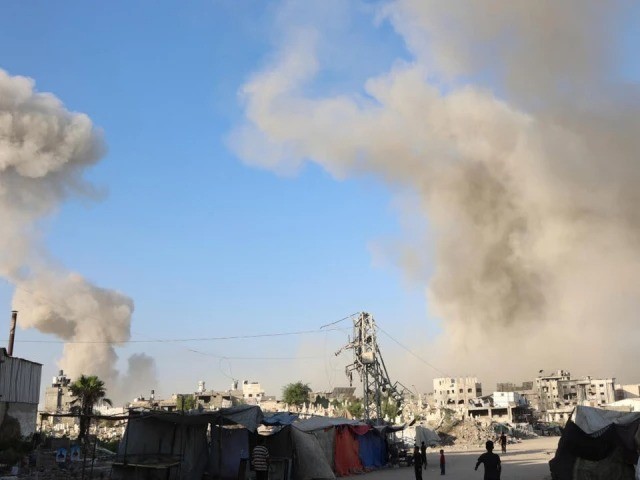
The visit comes just months after violent clashes erupted in Tripoli, Libya’s capital, following the killing of a high-profile militia commander. Although the government declared a ceasefire within days, the event highlighted the fragile nature of Libya’s internal security — a context that makes international military cooperation all the more relevant.
The Libyan army, still grappling with fragmentation and reconstruction, may look to Pakistan for guidance in areas such as military training, arms development, and strategic planning.
Reviving Old Diplomatic Threads
This isn’t the first time the two countries have explored deeper ties. Back in May 2009, then-President Asif Ali Zardari visited Libya and held talks with the late Libyan leader Moammar Qadhafi. The two leaders pledged to bolster economic and bilateral relations — a diplomatic foundation that may now be evolving into a more security-focused partnership.
A Calculated Partnership in Uncertain Times
For Pakistan, this defence initiative is part of a broader strategy to expand military diplomacy and leverage its growing industrial base. For Libya, it’s a much-needed opportunity to rebuild, restructure, and reconnect with reliable partners in the Islamic world.
As both sides look ahead, the message is clear: in an era of uncertainty and shifting alliances, long-term security depends not only on strength — but also on strategic collaboration and shared vision.


