





In a move that could ripple across Europe, Ireland has become the first European country to introduce legislation banning trade and imports from Israeli settlements in the occupied Palestinian territories — a decision drawing both praise and controversy.
The announcement came on Wednesday from Irish Foreign Affairs and Trade Minister Simon Harris, who said the bill was in response to the recent Advisory Opinion by the International Court of Justice (ICJ), which ruled Israeli settlements in the West Bank and East Jerusalem illegal under international law.
“This legislation is a serious step forward,” Harris said. “It reflects both the law and the will of the Irish people, who remain deeply concerned about the worsening situation in Palestine.”
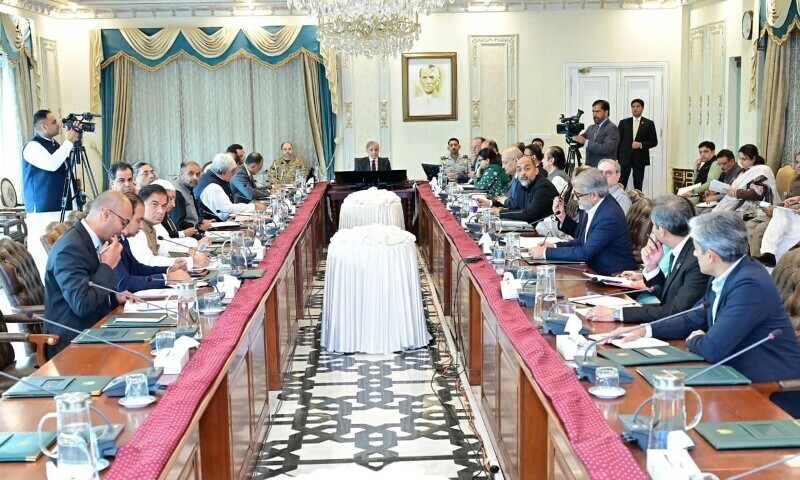
The draft legislation — formally titled the General Scheme of the Israeli Settlements in the Occupied Palestinian Territory (Prohibition of Importation of Goods) Bill — has received Cabinet approval and now heads to the Oireachtas Committee on Foreign Affairs and Trade for further scrutiny.
Once passed, the law would make importing goods from Israeli settlements a criminal offense under Ireland’s Customs Act 2015. Customs officials will be authorized to seize and confiscate such goods at the border. The proposed system will rely on Israel’s settlement postal code classification, currently used by the European Union to distinguish between Israeli and settlement-origin products.
A Response to the ICJ
The ICJ’s opinion, issued on July 19, 2024, declared that Israel’s settlement expansion violates Article 49(6) of the Fourth Geneva Convention and advised states to take “concrete and effective measures” to prevent complicity — including halting unconditional economic and technological aid to Israel tied to its settlement activities.
Ireland’s move follows a joint appeal to the European Commission from nine EU member states — including Belgium, Spain, and Sweden — urging the bloc to outline a legal path for halting trade with Israeli settlements. However, Harris said the Commission had yet to respond adequately.
“Ireland will not wait for consensus when international law is being ignored,” he said. “We are using the levers available to us, and we urge others to do the same.”
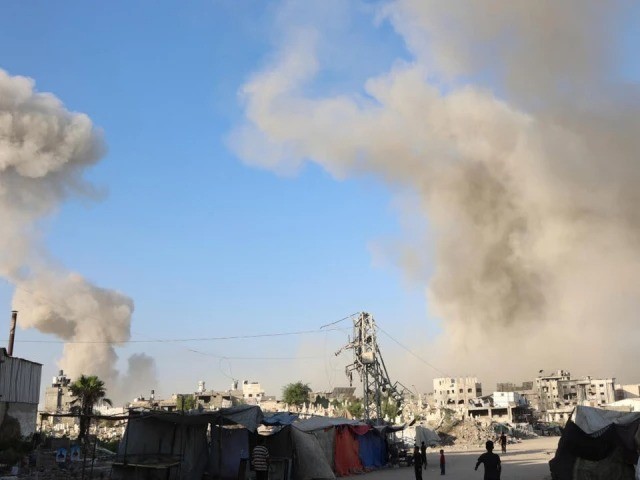
Harris also took a more pointed tone outside Parliament. Speaking to reporters, he said: “Ireland is not going to be silent in the face of what’s happening in Gaza. We are speaking out against genocide, and this bill is part of that moral stand.”
Domestic Reaction Divided
Reactions at home have been mixed. While human rights advocates hailed the bill as a bold stand for international law, some critics, particularly from the Jewish community, expressed concern.
Former Irish Justice Minister Alan Shatter accused the government of targeting Jewish goods and compared the bill’s intent to historical boycotts. Writing on X, Shatter called it “the first time since the defeat of Nazi Germany that a European government is promoting a law specifically boycotting Jewish-produced goods.”
He added that the bill “violates EU law and is not legally kosher,” and ridiculed the bill’s acronym — “PIGS” — calling it offensive and “tone-deaf.”
Despite the backlash, Harris stood firm. “This is about illegal settlements, not religion or ethnicity. The law is rooted in international obligations, not political theatre,” he said.
Wider Implications
Whether Ireland’s move sparks a domino effect across Europe remains to be seen. However, for now, Dublin has firmly planted its flag on the side of international law, setting a precedent others may soon follow.
“We can’t continue business as usual while settlements expand and lives are lost,” Harris said. “Every country has a choice — we’ve made ours.”


