




TEHRAN:
Iran’s parliament on Wednesday overwhelmingly voted in favor of suspending the country’s cooperation with the International Atomic Energy Agency (IAEA), in a sharp response to recent Israeli and U.S. attacks on its nuclear sites and what lawmakers described as the IAEA’s “silence” over those strikes.
The vote — held just days after a tense 12-day military escalation — reflects mounting frustration in Tehran over the UN nuclear watchdog’s perceived inaction. Of the lawmakers present in the 290-seat chamber, 221 supported the motion, one abstained, and none opposed it, according to Iranian state television.
Parliament Speaker Mohammad Bagher Ghalibaf accused the IAEA of sacrificing its credibility by refusing to condemn the attacks. “The agency, which didn’t even issue a minimal condemnation of the assault on our nuclear facilities, has put its international standing up for auction,” he said during the session.
The bill still needs approval from the Guardian Council — Iran’s powerful constitutional oversight body — before it becomes law. If ratified, the legislation would empower Iran’s Atomic Energy Organization to halt all cooperation with the IAEA until Tehran receives guarantees about the security of its nuclear infrastructure.
Explaining the implications of the move, conservative lawmaker Alireza Salimi said IAEA inspectors would no longer have access to Iranian nuclear sites unless explicitly cleared by the Supreme National Security Council — the country’s top security decision-making body.
Later on Wednesday, Foreign Ministry spokesman Esmaeil Baqaei confirmed that cooperation with the IAEA would “definitely be affected,” criticizing the agency’s recent resolution accusing Iran of failing to meet its nuclear obligations. He called the resolution “one of the key pretexts” behind the military strikes carried out by Israel and the U.S.
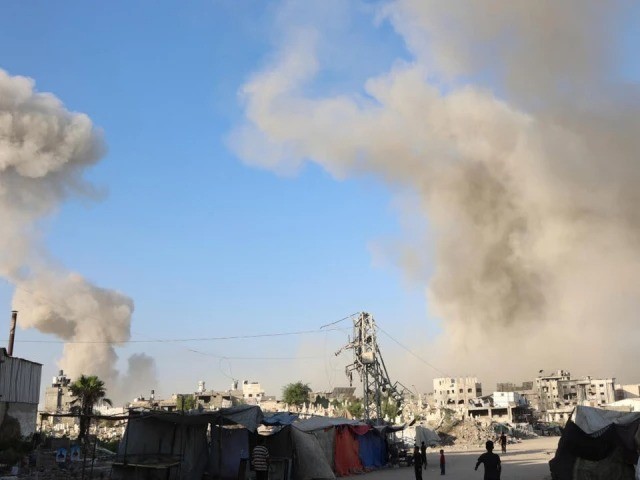
The situation escalated on June 13 when Israel launched a large-scale bombing campaign on Iranian nuclear facilities, killing several senior military officers and nuclear scientists. Days later, on Sunday, the United States carried out its own strikes on key Iranian sites at Fordow, Isfahan, and Natanz. A ceasefire was brokered and took effect on Tuesday.
During Wednesday’s session, the chamber rang with chants of “Death to America” and “Death to Israel” as lawmakers expressed outrage over the attacks and the IAEA’s failure to condemn them.
Iranian officials have increasingly questioned the IAEA’s neutrality since the beginning of the crisis, accusing the agency of turning a blind eye to what Tehran describes as blatant acts of aggression against sovereign nuclear facilities.
While the move to suspend cooperation adds a new layer of tension to already strained relations between Iran and the West, analysts say it also signals Tehran’s willingness to push back against international pressure — especially at a time when its nuclear program has once again come under the global spotlight.


