





ISLAMABAD — In a notable development, the government has acknowledged that the rapid growth of rooftop solar projects and net-metering systems has so far not adversely affected Pakistan’s national power grid.
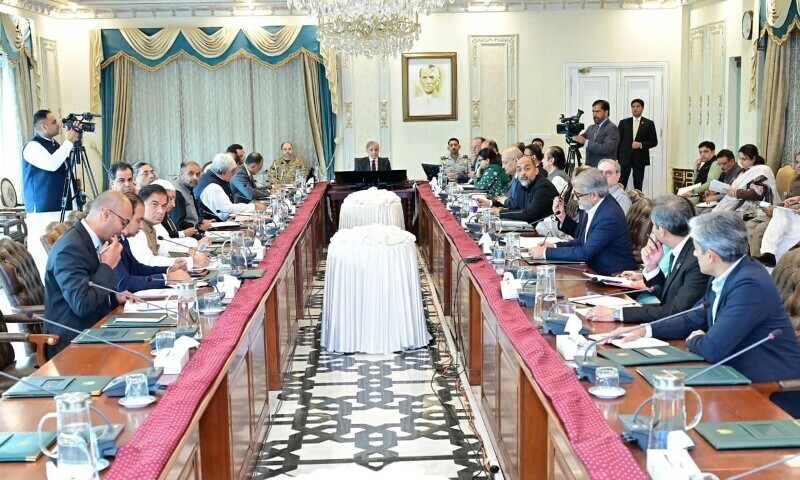
Speaking at a public hearing before the National Electric Power Regulatory Authority (NEPRA), Central Power Purchasing Agency (CPPA) CEO Rehan Akhtar said, “Solar generation is increasing, but this does not have a significant impact on the grid.” The CPPA, which operates under the Power Division, is responsible for procuring electricity from various sources and supplying it to distribution companies while managing commercial affairs.
Akhtar explained that while energy consumers are increasingly shifting toward solar power due to cost advantages, their withdrawal from the national grid has remained largely stable. “Their offtake from the grid is almost the same as before,” he added, cautioning that future trends could differ depending on energy market developments.
The remarks came as part of a discussion on CPPA’s proposal to rebase the power purchase price (PPP) from January 2026 in line with government policy directives. CPPA presented five different assumptions for the upcoming tariff revisions, projecting an average PPP ranging between Rs25.95 and Rs26.53 per unit under various scenarios, including potential currency devaluation to Rs300–310 per dollar. Currently, the PPP for FY26 stands at Rs25.98 per unit, indicating relative stability.
Data presented at the hearing showed that net-metering contributions surged 173% in 2024, reaching 726 million units compared to 266 million units in 2023, even as overall consumption by distribution companies grew only 1%. In contrast, K-Electric’s grid offtake rose 9.4% as it began drawing the full 2,050MW allocation.
Officials also noted that fuel costs are expected to remain largely stable, with only a minor risk of a 5% increase due to global price fluctuations. Foreign exchange assumptions included a potential Rs20 fluctuation over the next year, and interest rates were projected at 11% for the first half of the year and 10.5% for the second half.
Industrial stakeholders, however, expressed concerns over high energy prices, which they say are undermining competitiveness. They pointed out that the Rs131 billion cross-subsidy for other consumers remains in place, and previous tariff reductions have largely disappeared. Many industrialists argued that CPPA’s forecast of rising demand does not reflect ground realities, as overall consumption is declining due to high costs, industry closures, and the growing adoption of solar energy.


